
Singapore's Seas
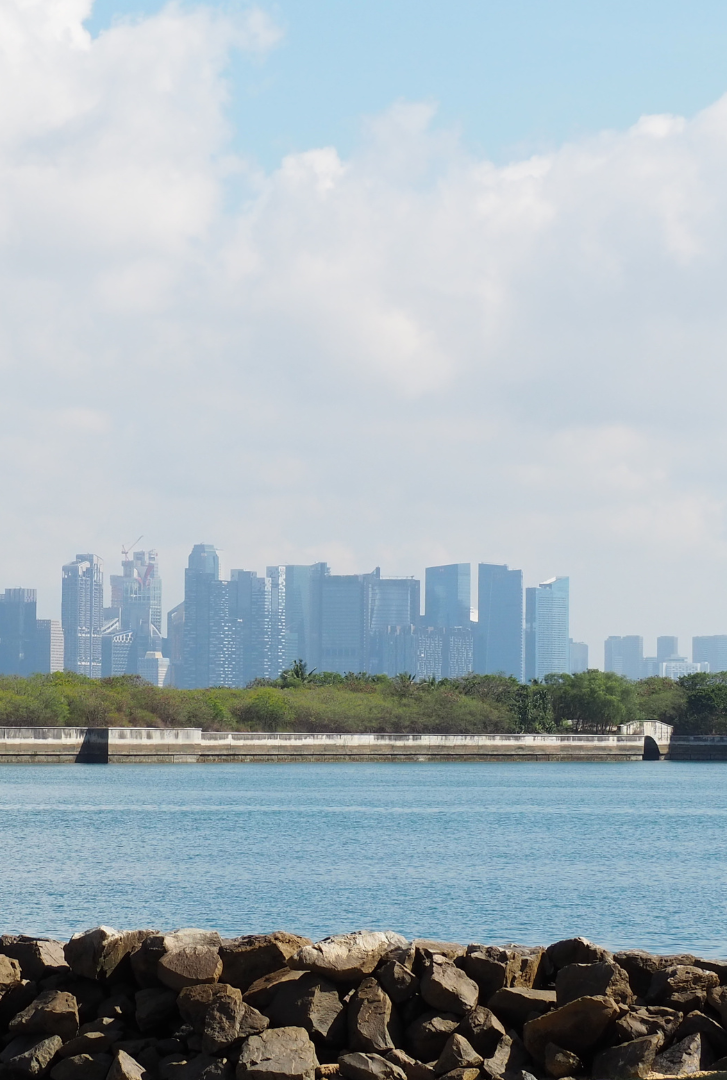
Singapore lies at the southern tip of the Thai-Malay Peninsula on the inner continental Sunda shelf of the South China Sea in shallow waters less than ~30 m. Being at the confluence of multiple water bodies, the South China Sea and the Malacca strait, the island nation has one of the busiest shipping channels and ports in the world. At the same time, our nation’s proximity to the Coral Triangle and the crossroads of the Indian and Pacific oceans shows in its exceptional marine biodiversity: our waters are home to 250 species of hard-corals, over 800 species of fish, and various other marine organisms.
Singapore’s marine and coastal ecosystems include mangroves, coral reeds, seagrass meadows, and rocky shores. These habitats support a variety of life forms and are crucial in environmental health, from coastal protection to providing nurseries for marine species. The coastal environments have seen drastic change over the past 50 years as a result of the nation's ever-expanding need to accommodate its growing population. As a result, our marine biodiversity have been uniquely shaped by various anthropogenic and natural factors.
Marine Science Research Programmes
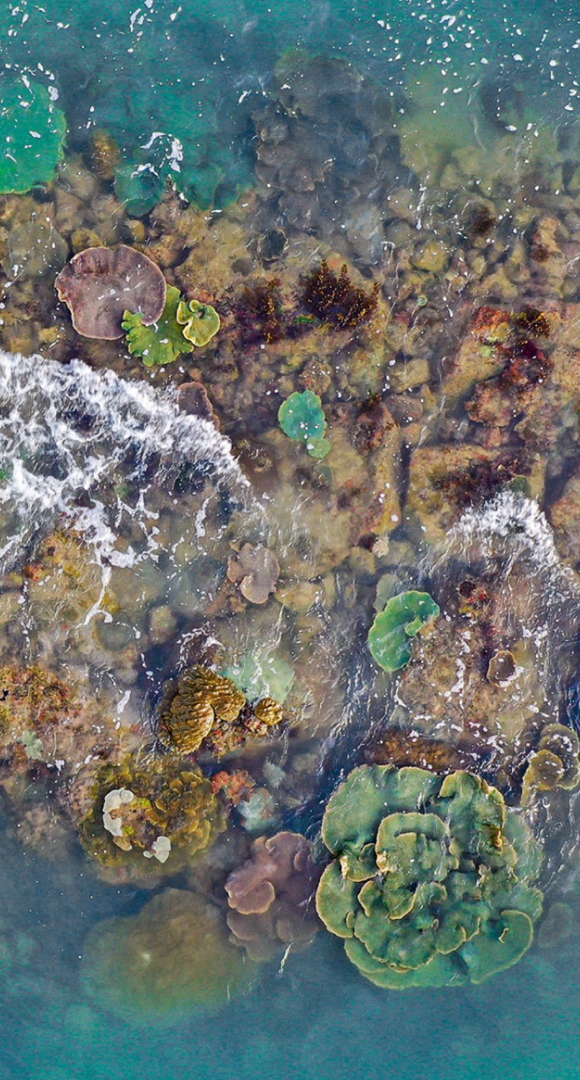
Marine Science Research and Development Programme (MSRDP)
The Marine Science Research and Development Programme (MSRDP) developed by the National Research Foundation (NRF) was a series of innovative projects and strategic initiatives strengthened Singapore’s marine science capabilities and addressed important gaps in the scientific understanding of our coastal and marine ecosystems. Over the course of six years (2016 - 2021), the programme funded a total of 33 research projects classified into four domains: Marine Ecosystems and Biodiversity, Environmental Impact and Monitoring; Coastal, Ecological Engineering, and Marine Technology and Platforms. These domains were aimed at establishing Singapore as a leader in maritime and coastal development to: (1) improve quality of environmental monitoring and surveys to increase the baseline knowledge of the island’s tropical marine environment; (2) better conserve or retain local marine habitats and/or minimise impacts of ongoing and anticipated reclamation works; and (3) generate scientific credibility and data to support the national agenda, and Singapore’s regional and international commitments.
Explore the MSRDP efforts and outcomes in the book!
Marine Climate Change Science (MCCS) Programme
The Marine Climate Change Science (MCCS) programme aims to serve as a national focal point for multi-disciplinary marine climate change research. This will advance the core sciences of marine climate change, and develop solutions to help address the challenges faced by our coastal and marine environment arising from climate change, such as sea level rise, increasing sea surface temperatures, and extreme storm events. The programme places emphasis on multi-disciplinary and translational research, in order to inform the development of evidence-based interventions and solutions. This will help to safeguard our coastal and marine ecosystems against climate change, and leverage existing natural capital in our blue spaces. This is part of NParks’ efforts to transform Singapore into a City in Nature, as well as contribute towards a nationwide effort to build climate resilience.
Led by NParks, this multi-stakeholder research programme will involve key partners across government agencies, research institutes and industry partners.
National Initiative for Marine and Ocean Sciences (NIMOS)
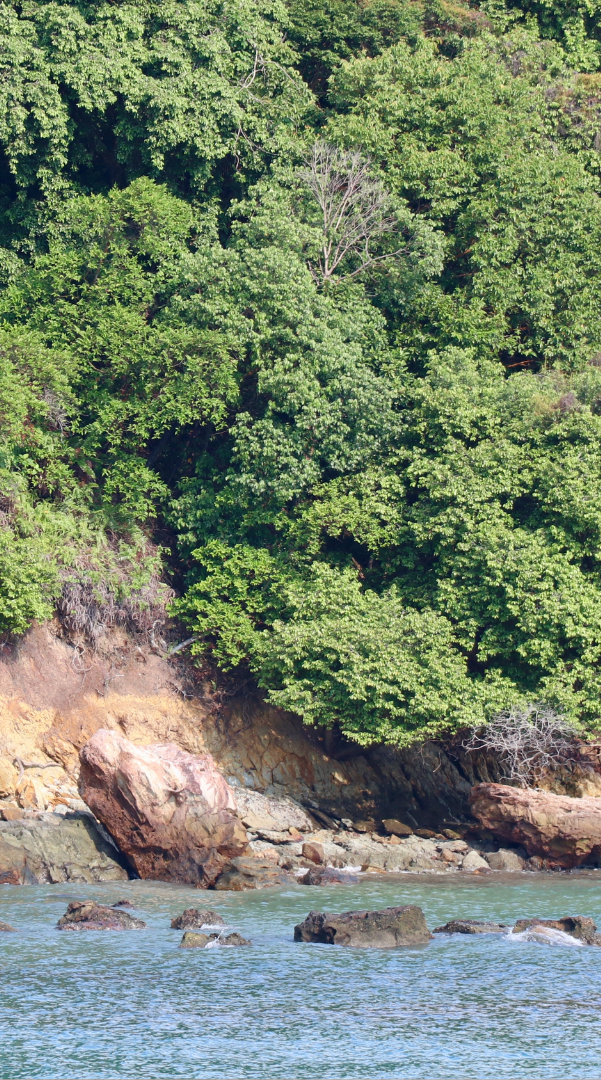
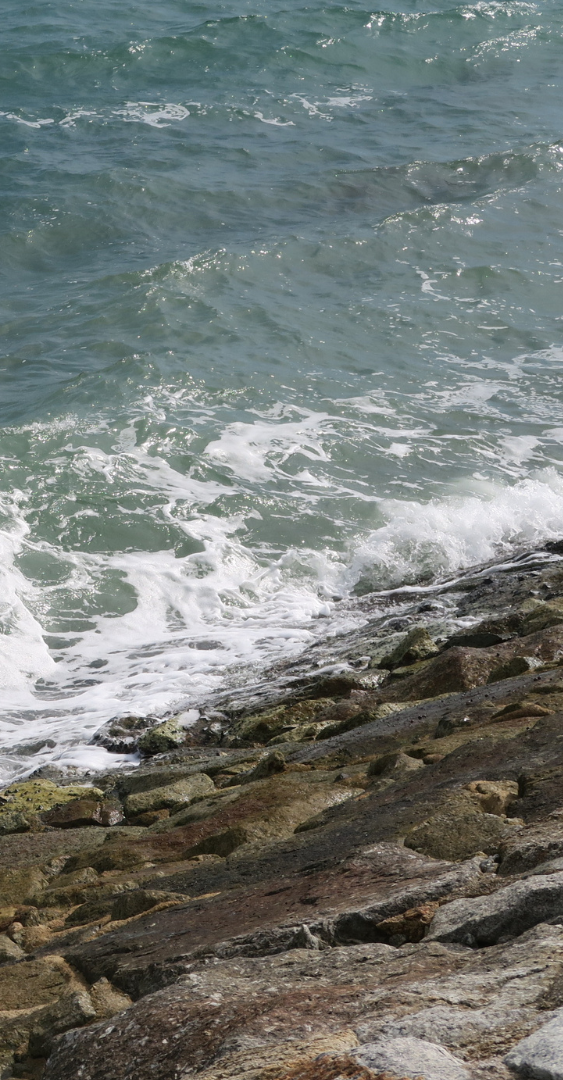
As Singapore and the region’s marine environmental challenges grow increasingly complex across disciplines, sectors, geographies, and national boundaries, research and innovation must evolve in step. The National Initiative for Marine and Ocean Sciences (NIMOS) brings together Institutes of Higher Learning, research institutes, and government agencies to advance strategic scientific alignment, build capacity and deep expertise, and generate lasting policy impact for marine environmental sustainability and resilience in Singapore and the region. The initiative invests in foundational marine research capabilities that balance Singapore-centric and region-relevant priorities, use-inspired and discovery-driven inquiry, and domain specialisation with cross-disciplinary collaboration. It will serve as a research hub and coordinating platform to strengthen local and regional linkages, expand opportunities for international collaboration, and translate research into action for the benefit of coastal and marine ecosystems and communities in Singapore and beyond.
Marine Science Laboratories and Institutes
Tropical Marine Science Institute, NUS
Experimental Marine Ecology Lab, NUS
Reef Ecology Lab, NUS
Singapore Centre for Environmental Life Sciences Engineering (SCELSE)
Natural Sciences and Science Education, National Institute of Education, NTU
Earth Observatory of Singapore, Climate Research Group, NTU
Lee Kong Chian Natural History Museum
Technology Centre for Offshore and Marine, Singapore