


Our Laboratories
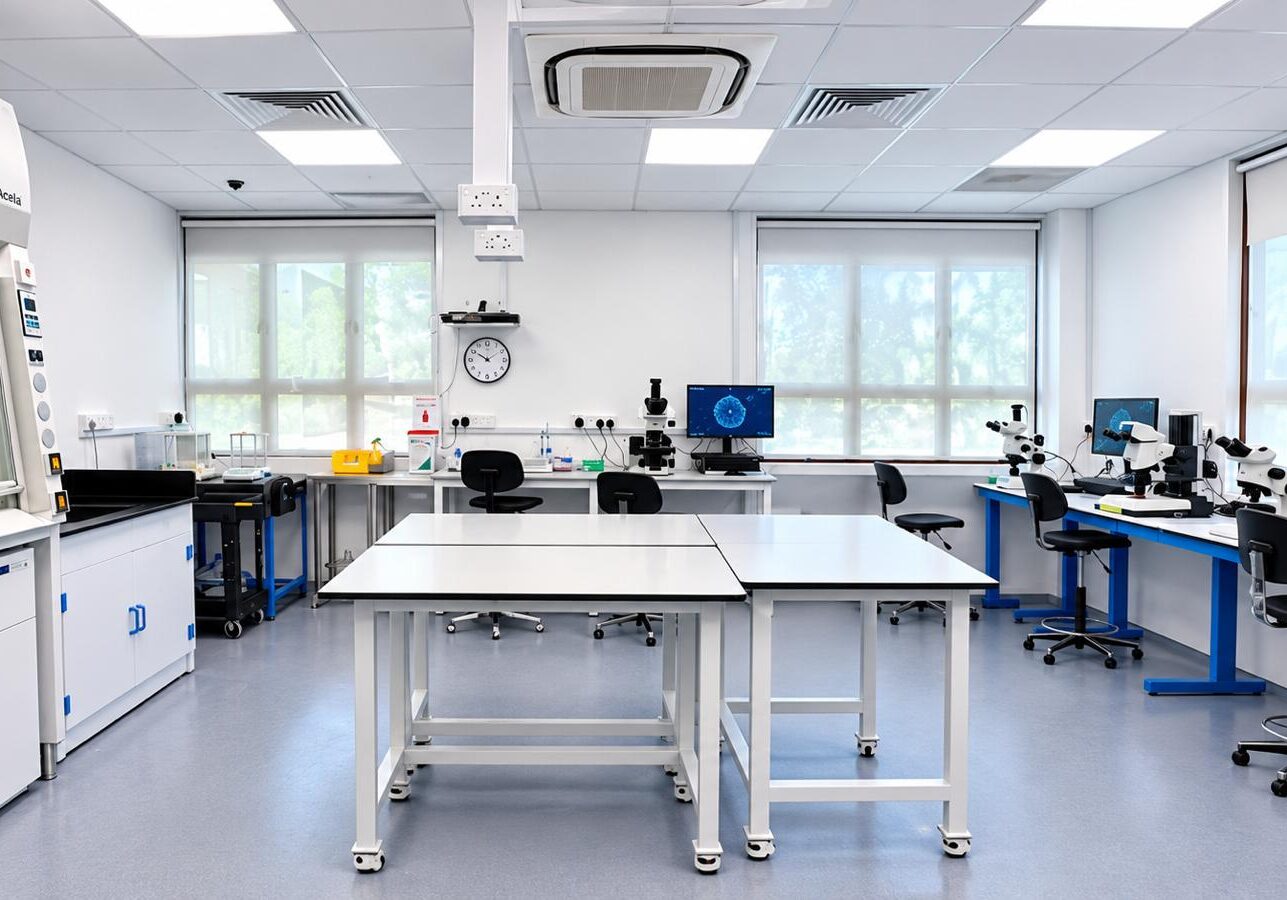
General Research Laboratories
The NMRS has several general laboratories with bench space for wet and dry lab work, supported with equipment for basic chemical and biological analyses.
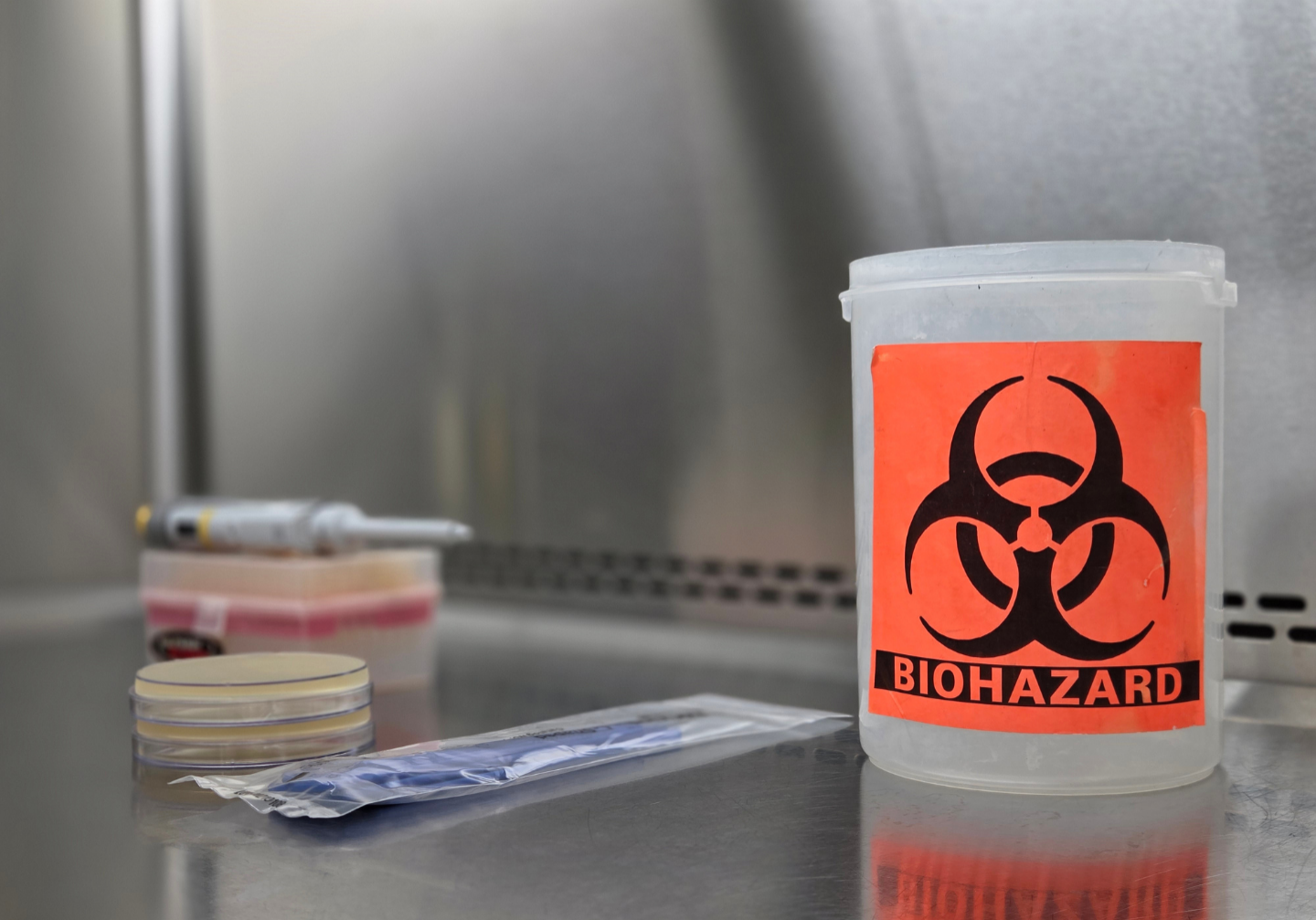
Biosafety Level 2 Laboratory
All laboratory bench work involving Biosafety Level 2 (BSL-2) biological agents must be carried out in the BSL-2 Laboratory housed with NMRS' Biosafety Level 2 Facility. This laboratory has dedicated biological safety cabinets and equipment for handling of potentially pathogenic samples.
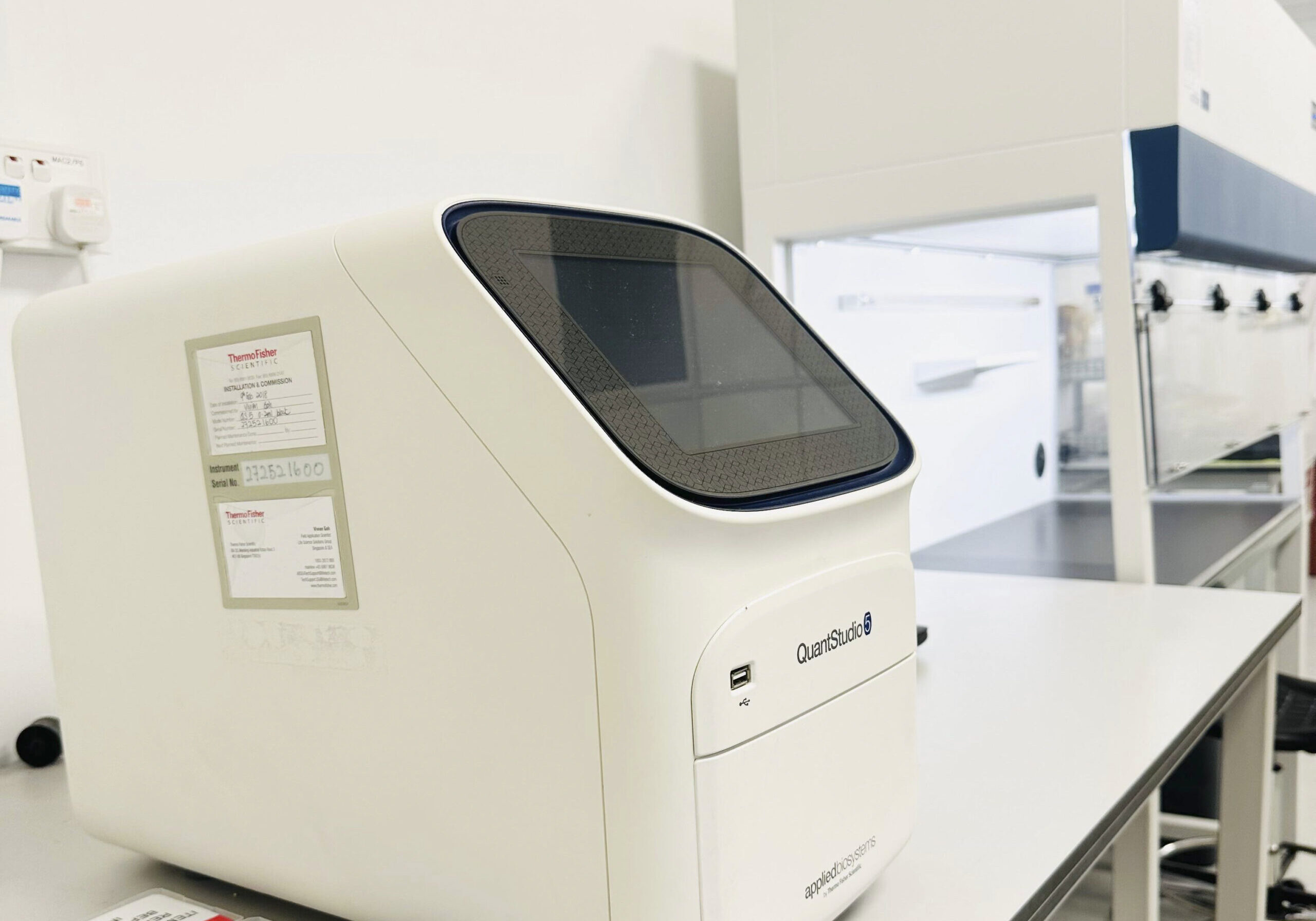
Molecular Laboratory
Molecular Laboratory supports research involving the analysis, characterization, and manipulation of genetic material (DNA and RNA) and other biomolecules.

Plankton Laboratory
Plankton Laboratory is a specialized analytical facility dedicated to study microscopic aquatic organisms—such as phytoplankton and zooplankton.
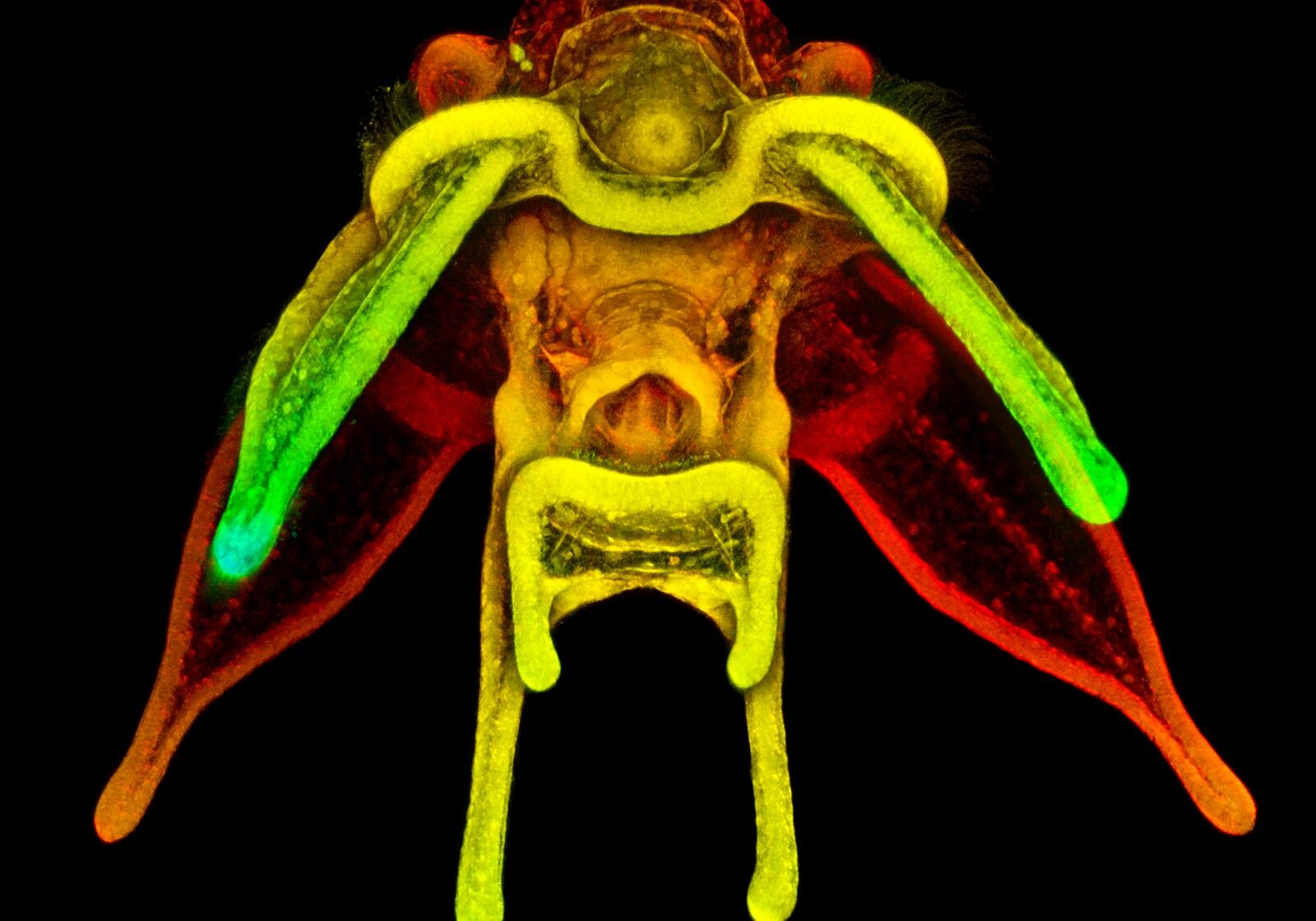
Bio-imaging Laboratory
Bio-imaging Laboratory provides advanced imaging and analytical capabilities for visualizing biological specimens at cellular, tissue, organismal, and material levels.
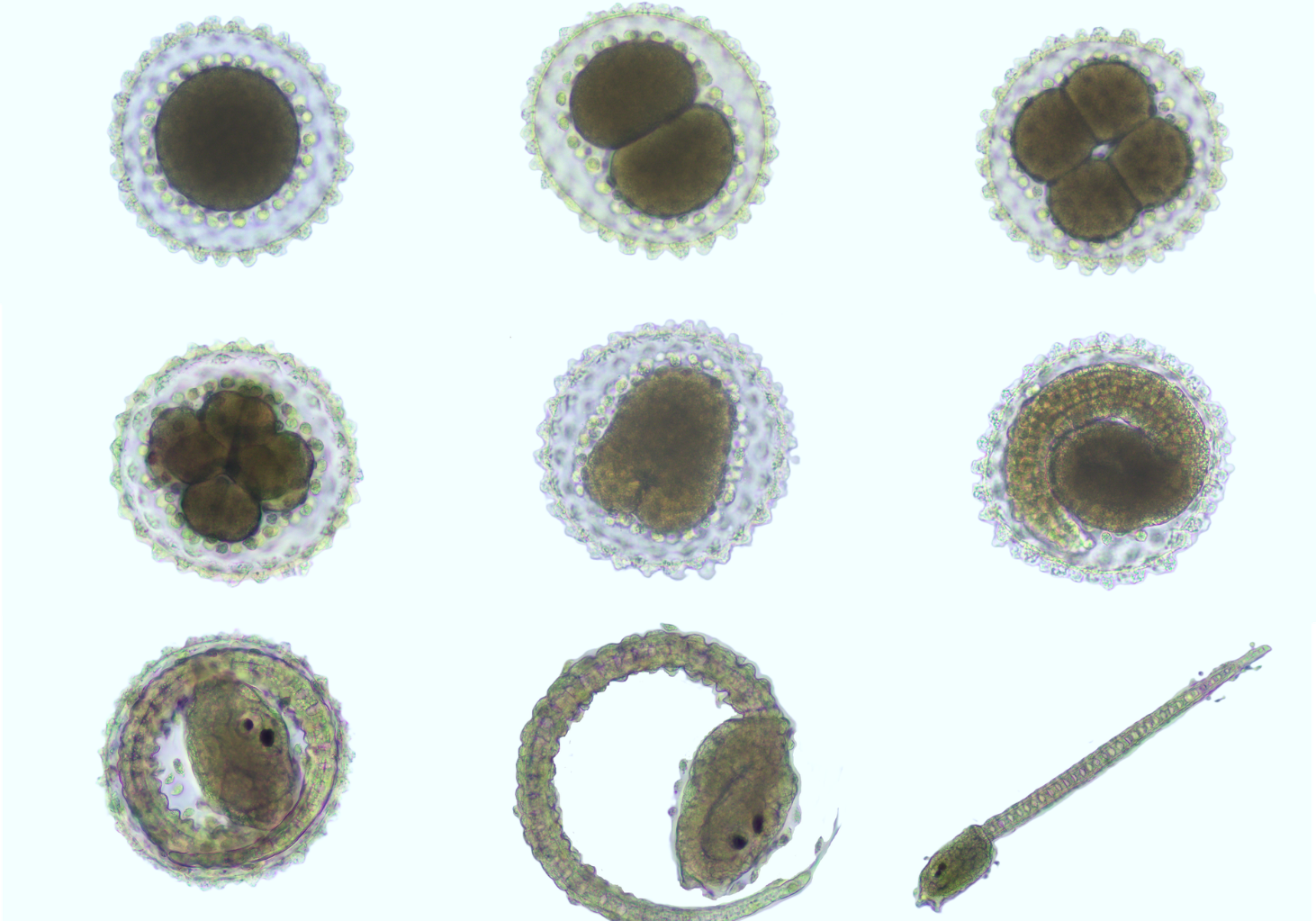
Larval Culture Room
The Larval Culture Room is designed as a one-stop workspace supporting research in marine invertebrate larval culture.
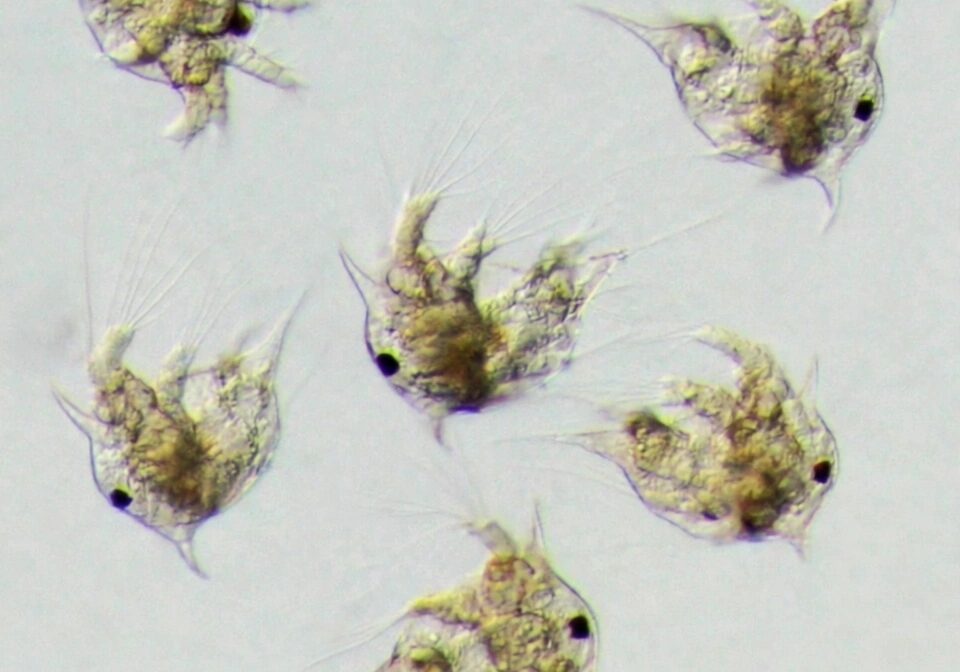
Mariculture Laboratory
The Mariculture Laboratory has facilities for the cultivation of numerous species of microalgae, as well as brine shrimp, copepods, barnacle nauplii and sea lettuce (Ulva sp.). These provide a myriad of live feed options for researchers working on marine larval culture.
Our Specialist Equipment
This page provides an overview of the NMRS' specialist laboratory equipment. Please refer to our Laboratory Managers for the full list of equipment in our laboratories.
Researchers interested in using aquarium equipment should reach out to Aquarium Managers.
Please note that fees may apply for some equipment. The detailed schedule of rates can be found in the NMRS Researcher Handbook.
Microscopy and Imaging Equipment
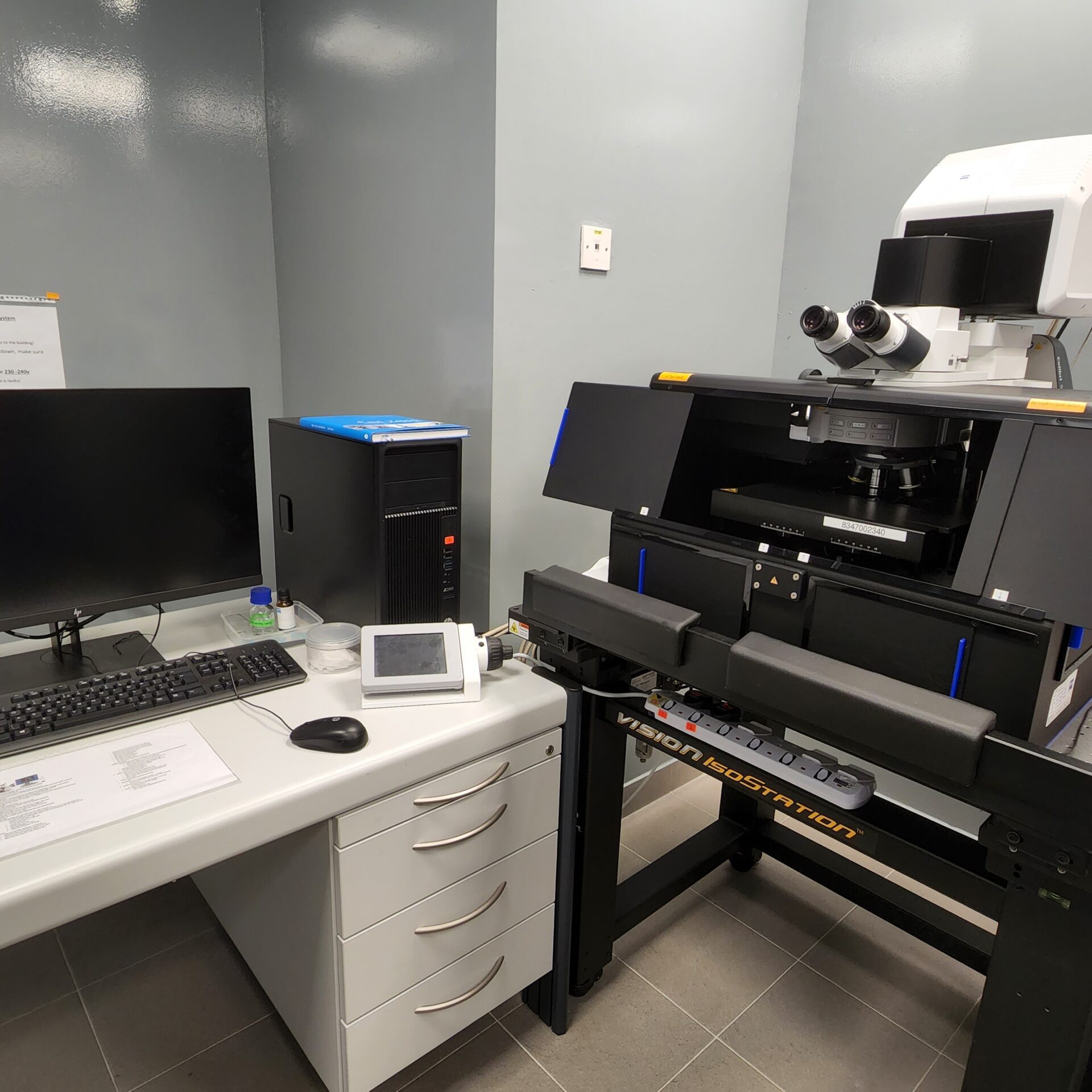
Confocal microscope
Confocal Laser Scanning Microscopy (CLSM) is an optical imaging technique that uses a focused laser beam to scan a specimen and a spatial pinhole to reject out-of-focus light, thereby improving image contrast and axial (depth) resolution. By acquiring a series of two-dimensional (2D) optical sections at different depths within the specimen, a three-dimensional (3D) image can be reconstructed for better visualization of structures.
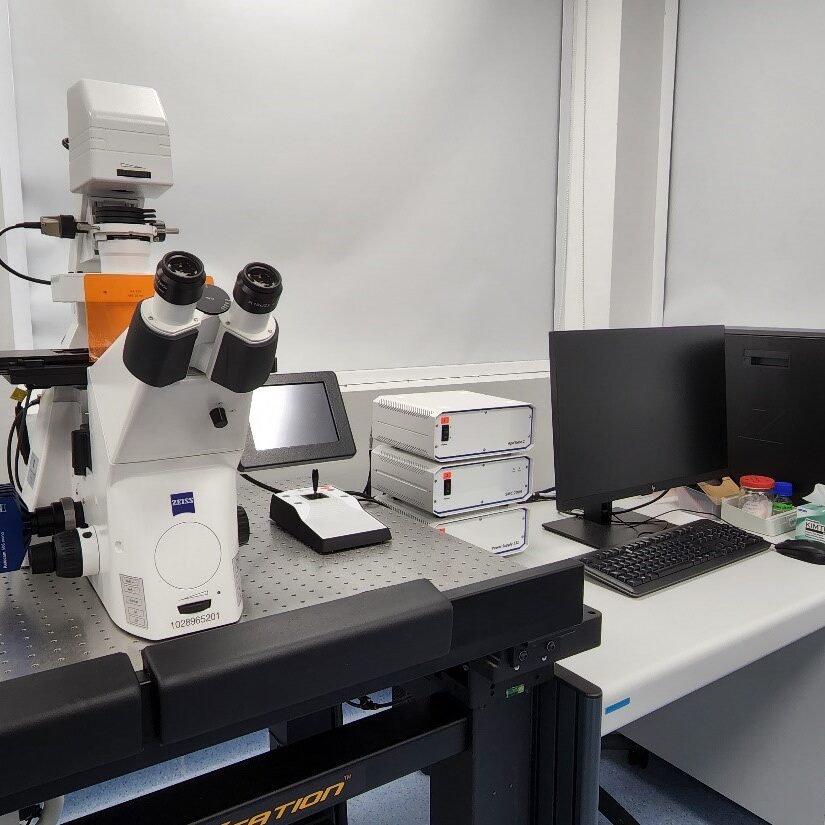
Apotome.2 Inverted Microscope
The Apotome is a widefield fluorescence microscope which allows for the creation of optical sections of samples using optical sectioning structured illumination (OS-SIM). The presence of a movable diffraction grating and changing angles generates several raw images which are then reconstructed post-imaging to create a super-resolved image.
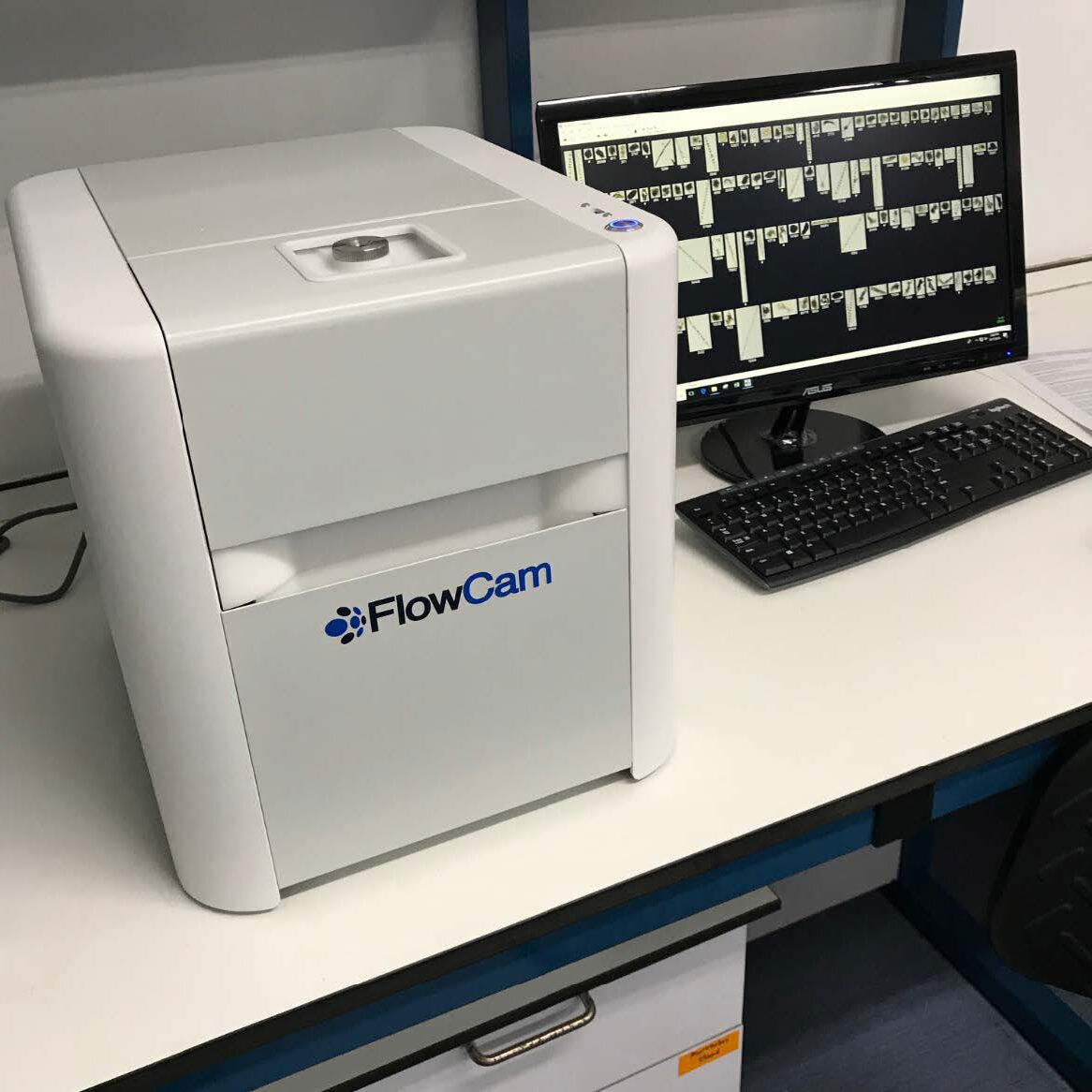
Flowcam 8410
The FlowCam is a dynamic liquid imaging particle analyzer that rapidly takes images of magnified particles flowing through a fluidic system. This is then followed by the use of an image analysis software to characterize and identify the particles.
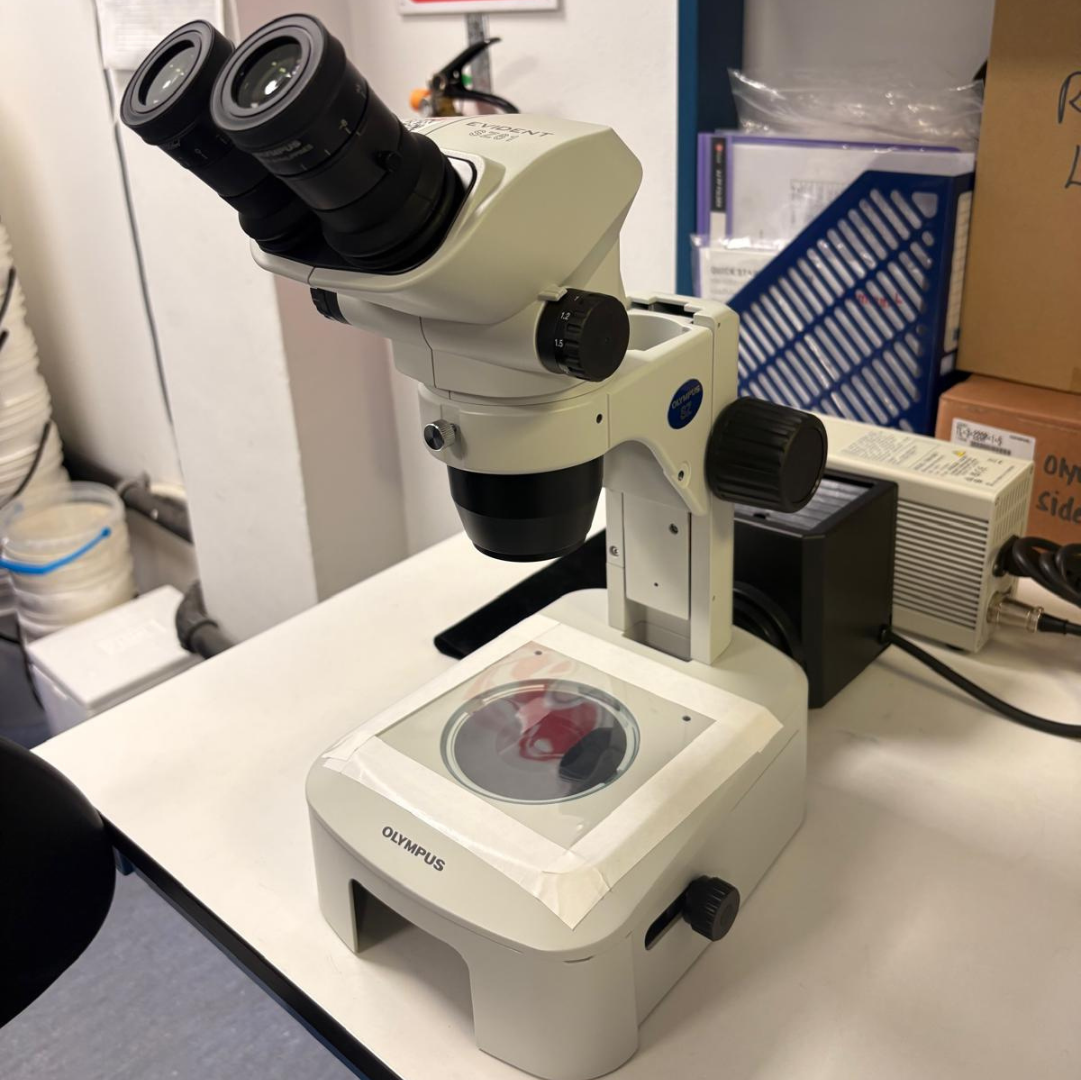
Stereomicroscopes
Stereomicroscopes enable low-magnification observation of specimens. By providing two separate optical paths, they produce a stereoscopic (3D) view, allowing detailed examination of the surface features and structures of specimens.
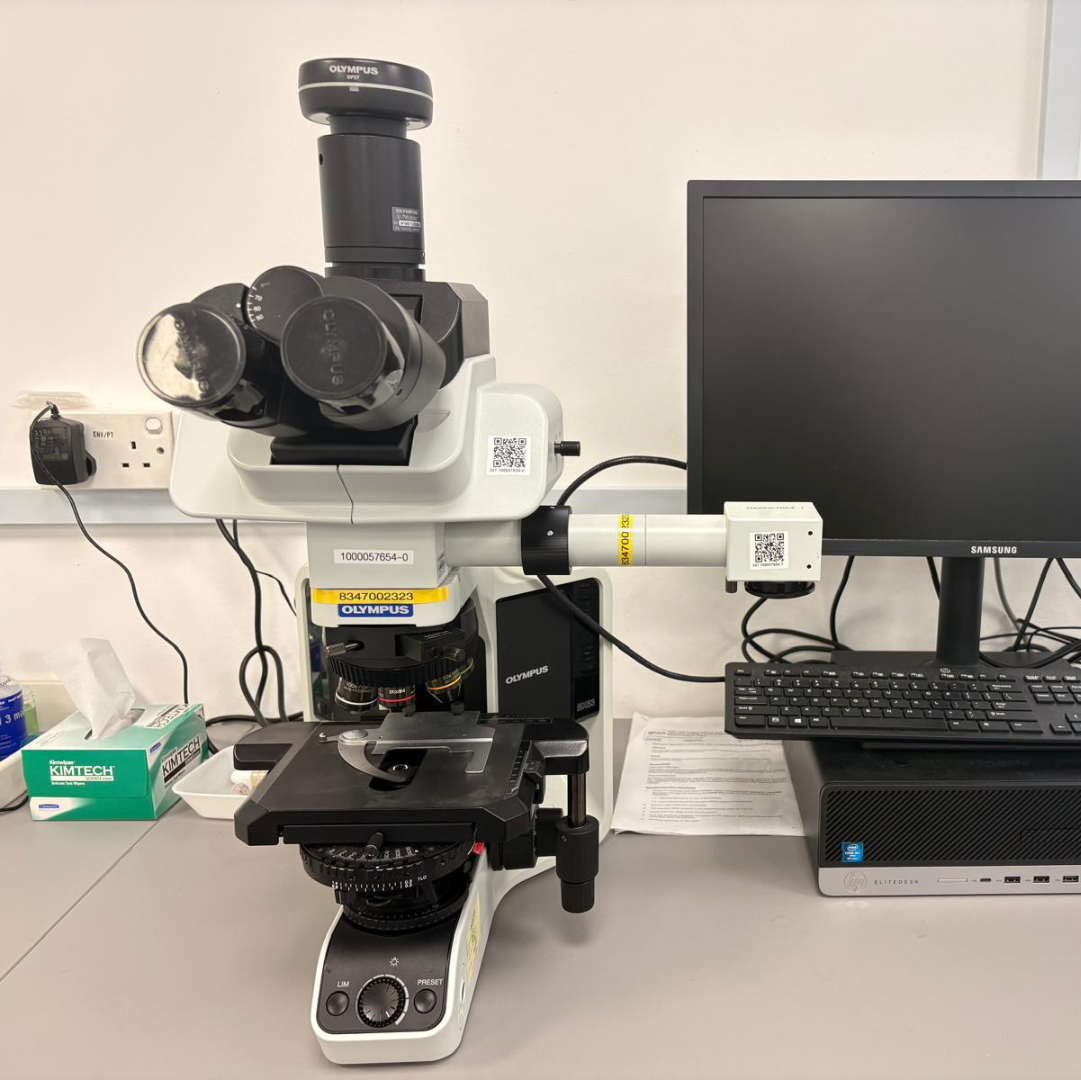
Compound Miscroscopes
Compound light microscopes are commonly used in laboratories to observe small specimens at magnifications ranging from 40× to 1000×. They use visible light and a combination of objective and eyepiece lenses to magnify specimens, allowing detailed examination of cellular structures, microorganisms, and thin tissue sections.
Analytical Equipment
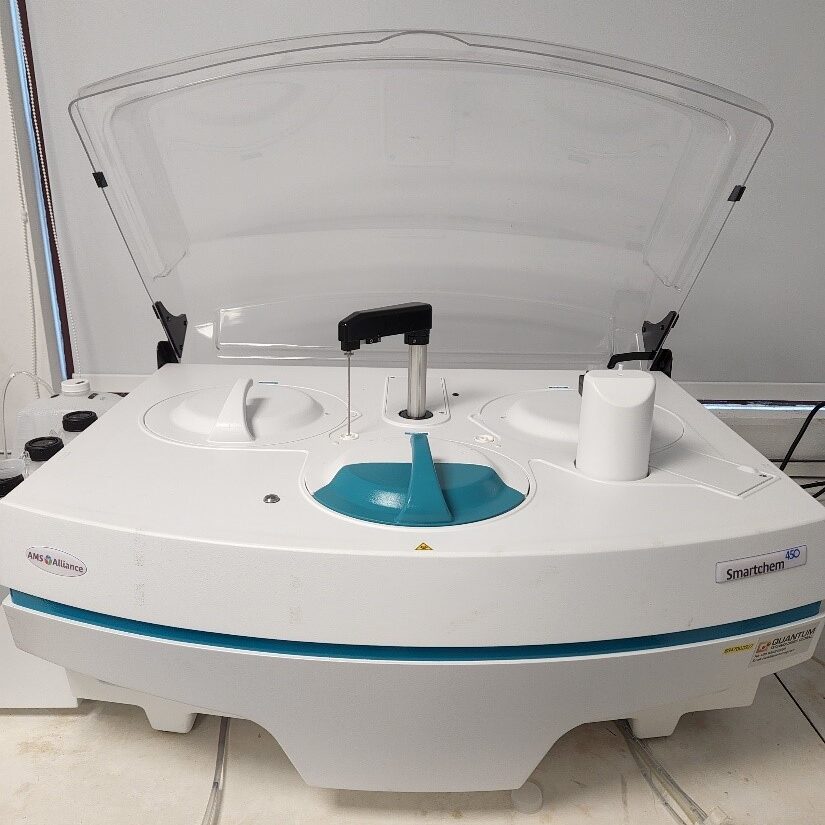
SMARTCHEM 450 Wet Chemistry Analyser
The SMARTCHEM 450 is a fully automated discrete chemistry analyzer that utilizes direct-read photometry to quantitatively determine the concentrations of dissolved chemical constituents in aqueous samples.
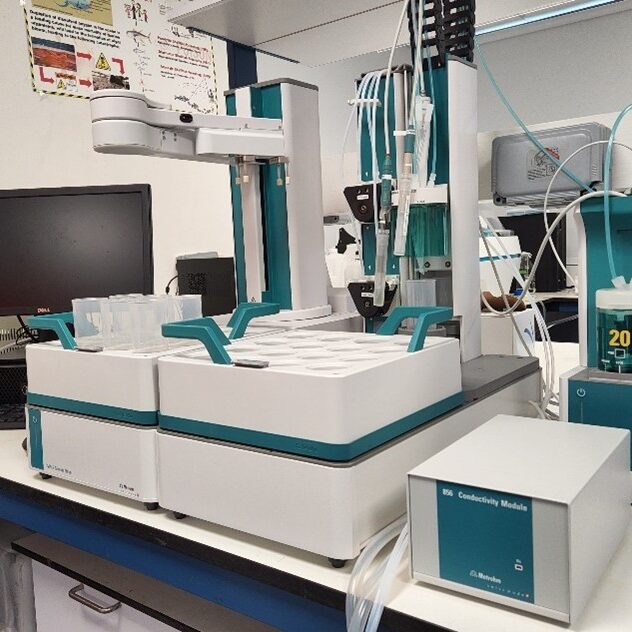
Automated Titrator
OMNIS automated titrator has a fully automated robot pick & place module with rack plates, enabling high throughput sample processing. This system may be used to measure electrical conductivity, pH value, alkalinity, calcium and magnesium hardness and total hardness.
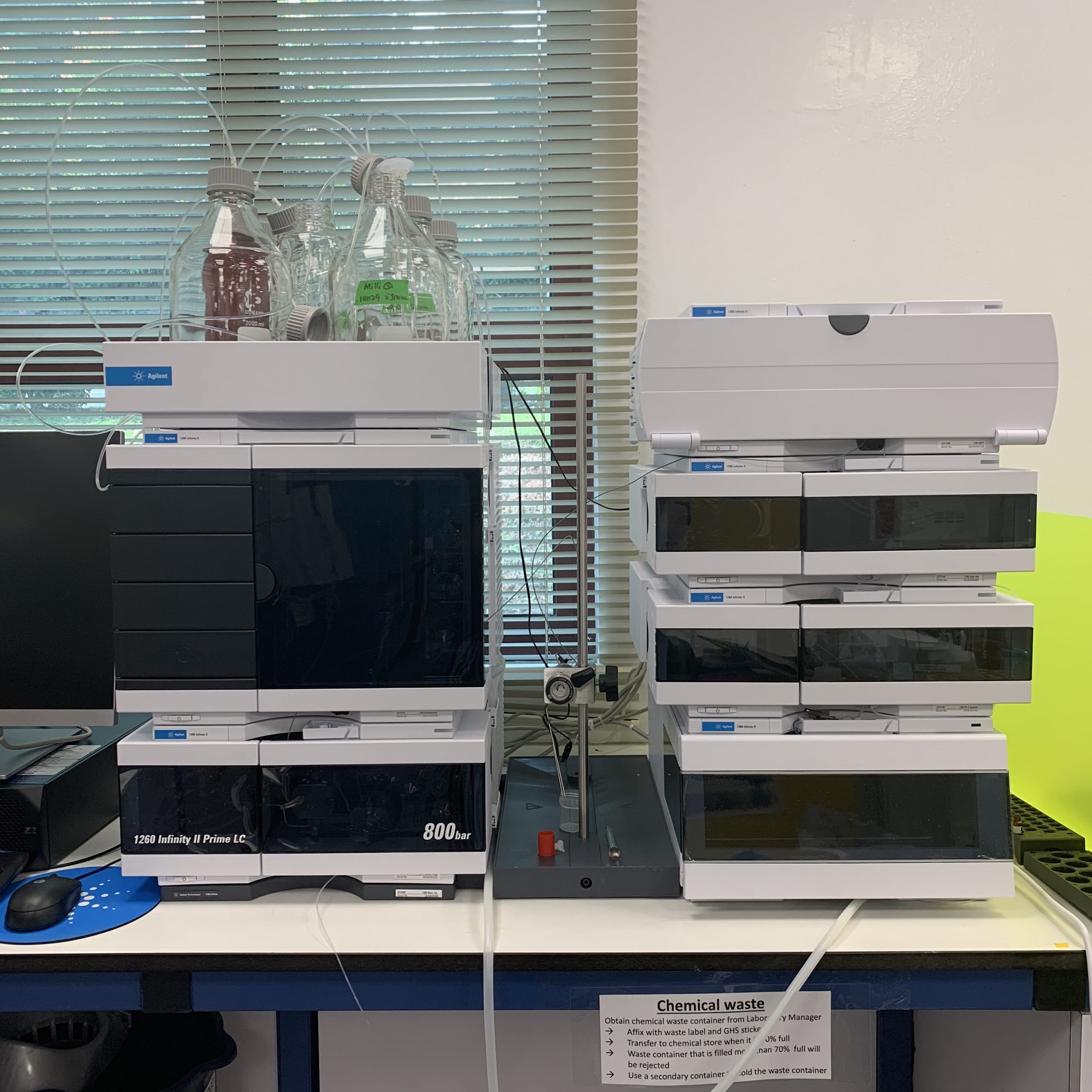
High Performance Liquid Chromatography
Our Infinity II Agilent HPLC system is a sophisticated instrument which may be used to analyze and separate components in liquid mixtures.
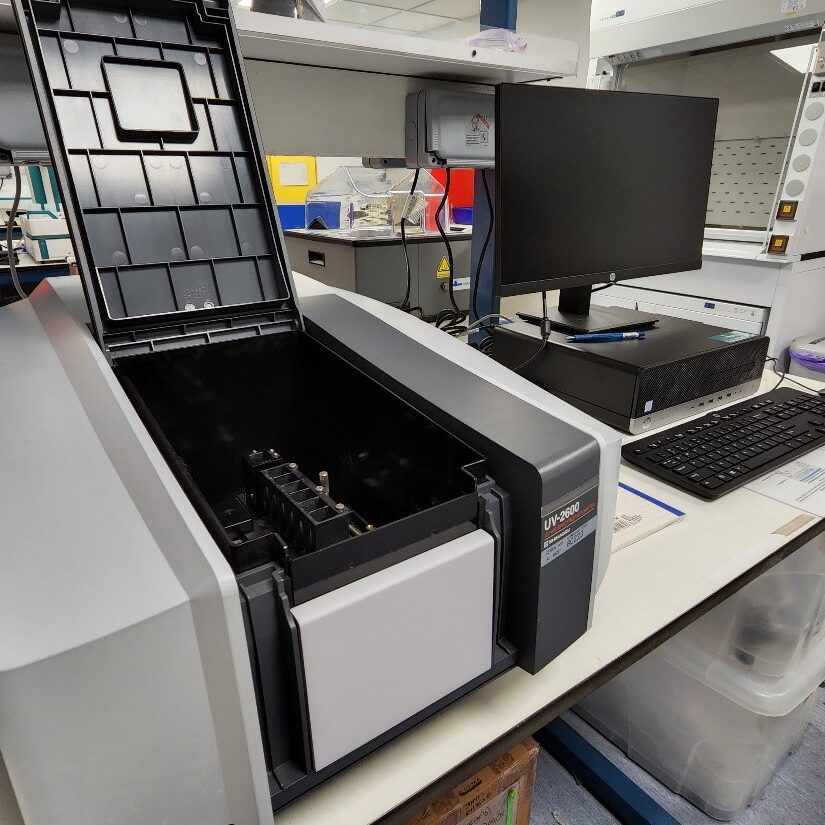
UV-vis Spectrophotometer
The UV-vis spectrophotometer is an analytical instrument used to study the amount or concentration of different samples based on the amount of light absorbed in the ultraviolet and visible light region.
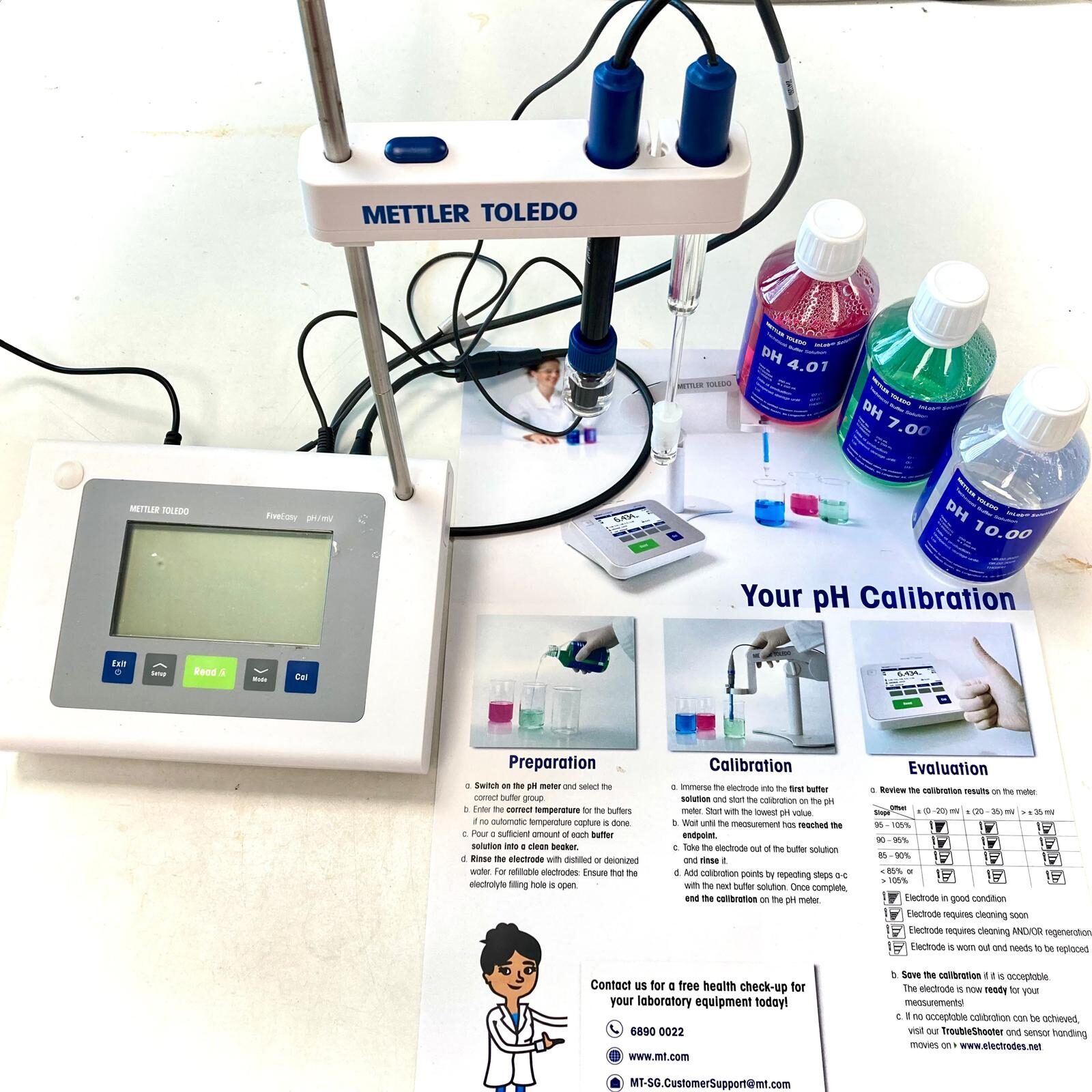
pH Meter
An instrument to measure seawater or sample acidity.

Speed Vacuum Concentrator
The LABCONCO Benchtop CentriVap Vacuum Concentrator is used to concentrate multiple small samples through the use of centrifugal force, vacuum and heat. This instrument may be used prior to analysis using machines like HPLC.
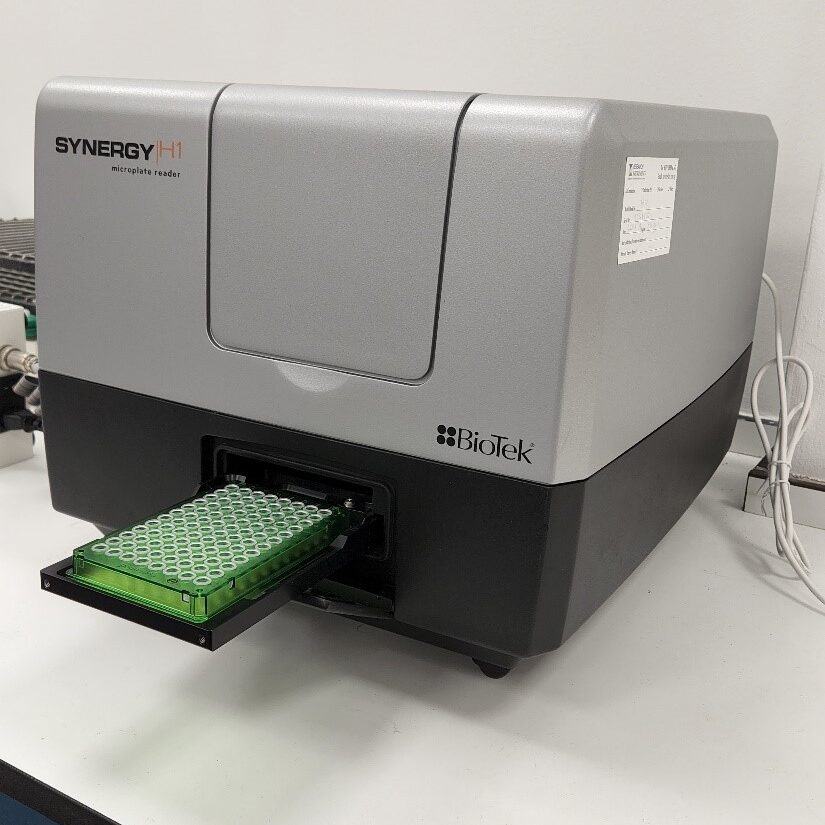
Microplate Reader
The BioTek Synergy H1 Microplate Reader allows researchers to analyze multiple samples at once, with reactions typically conducted in 96 well plates. Similar to spectrophotometers, they work on the principle of absorbance.
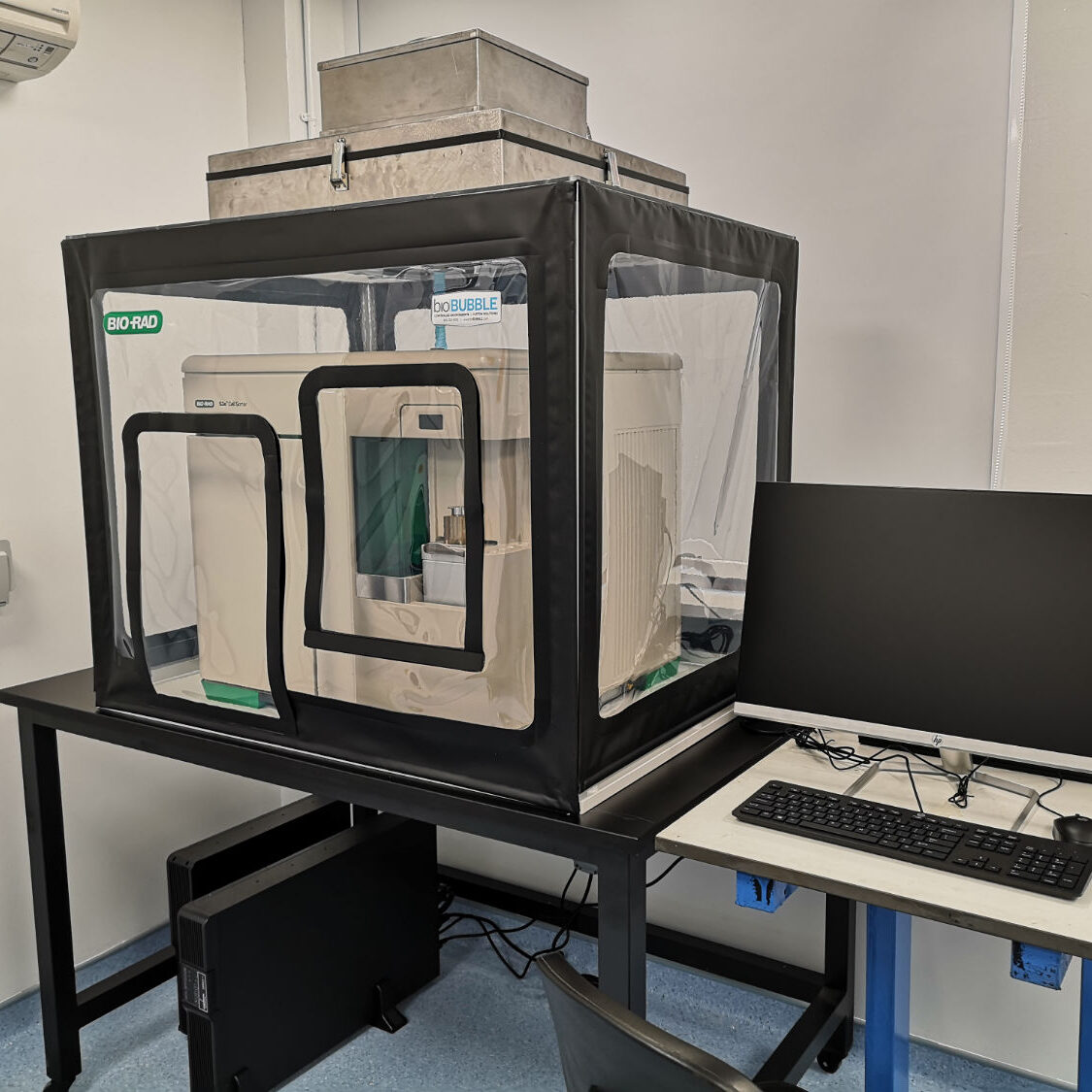
S3e Cell Sorter
Cell sorter is used to sort single cells up to 99% purity based on the fluorescent markers using a novel automated sorting setup at droplet frequency of 37-43 kHz. This system is equipped with a sorting system that maintaining a constant stream velocity during runs (sorting are more gently and accurately at high speed).
Molecular and Cellular Biology Equipment
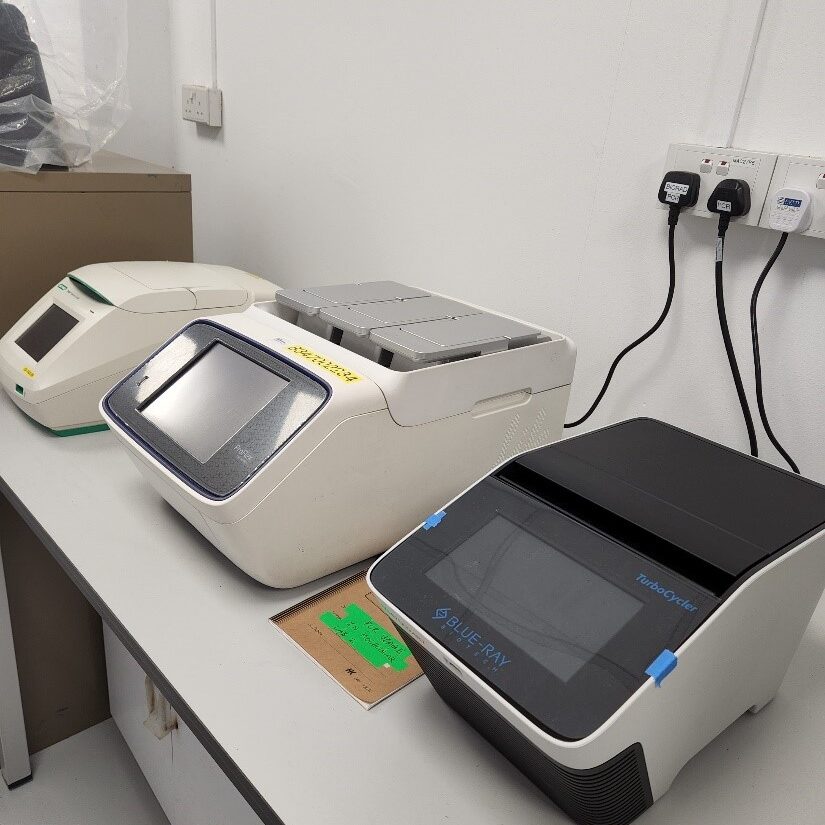
PCR and qPCR Systems
The PCR and qPCR systems allow researchers to amplify targeted DNA sequences in their target organism genome. With the addition of primers and Taq polymerase, the machines use the process of denaturation, annealing and extension to amplify the target genome sequence.
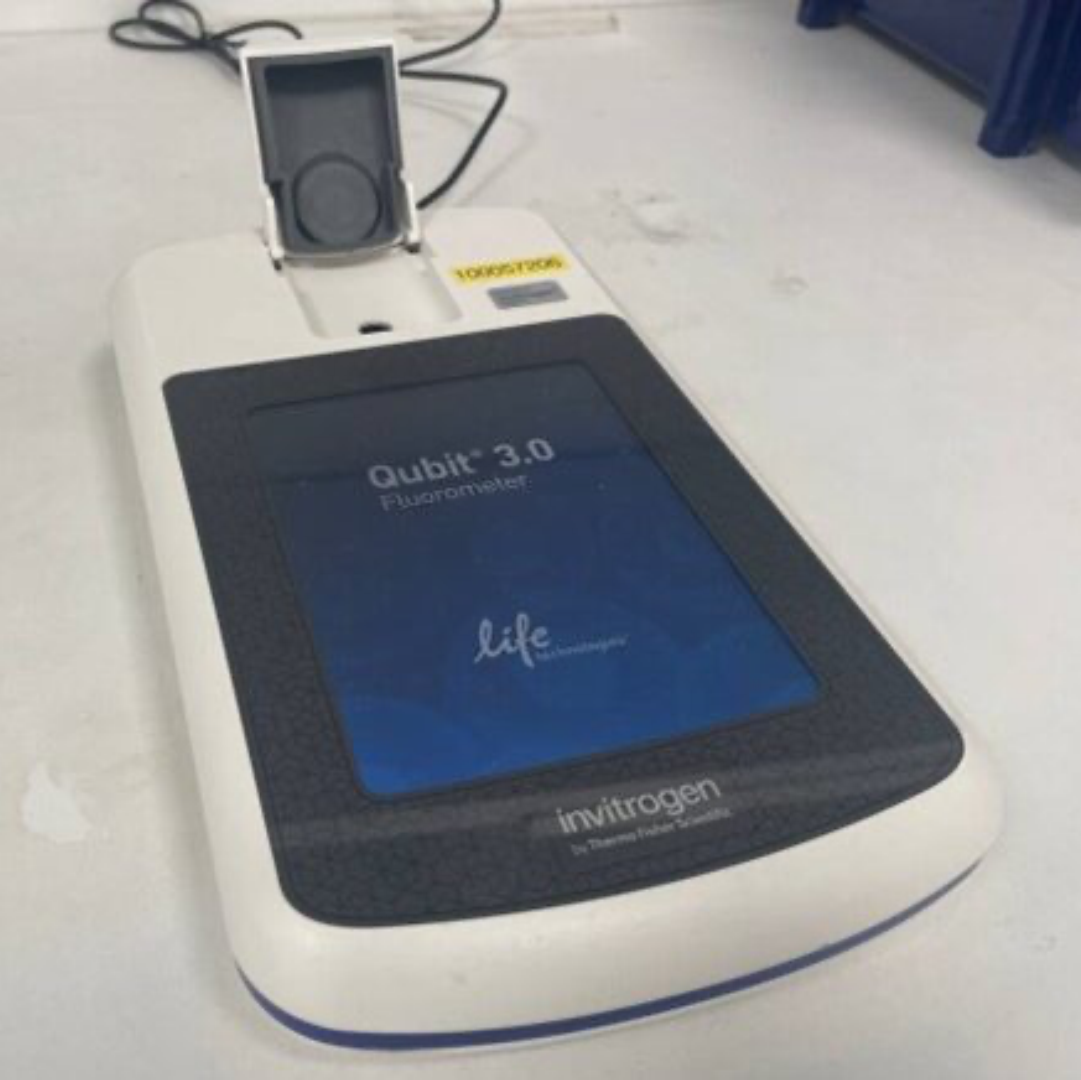
Qubit 3 Fluorometer
The Qubit 3 fluorometer help researchers quantify the amount of DNA, RNA or protein that their samples contain, allowing them to determine if they have sufficient quantity of desired product. It is a useful check before researchers proceed with next generation sequencing (NGS), PCR or western blotting.
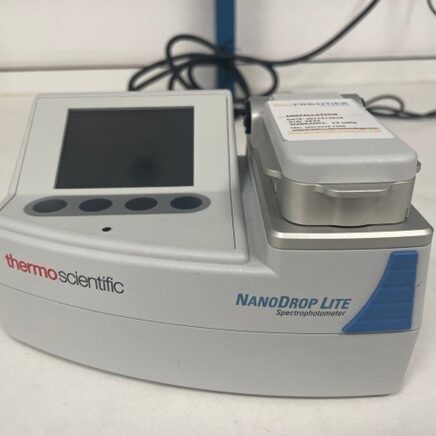
Nanodrop Lite Spectrophotometer
The Nanodrop Lite Spectrophotometer is a portable benchtop UV-vis spectrophotometer that measures the absorbance of nucleic acids on the 260/280nm spectrum.
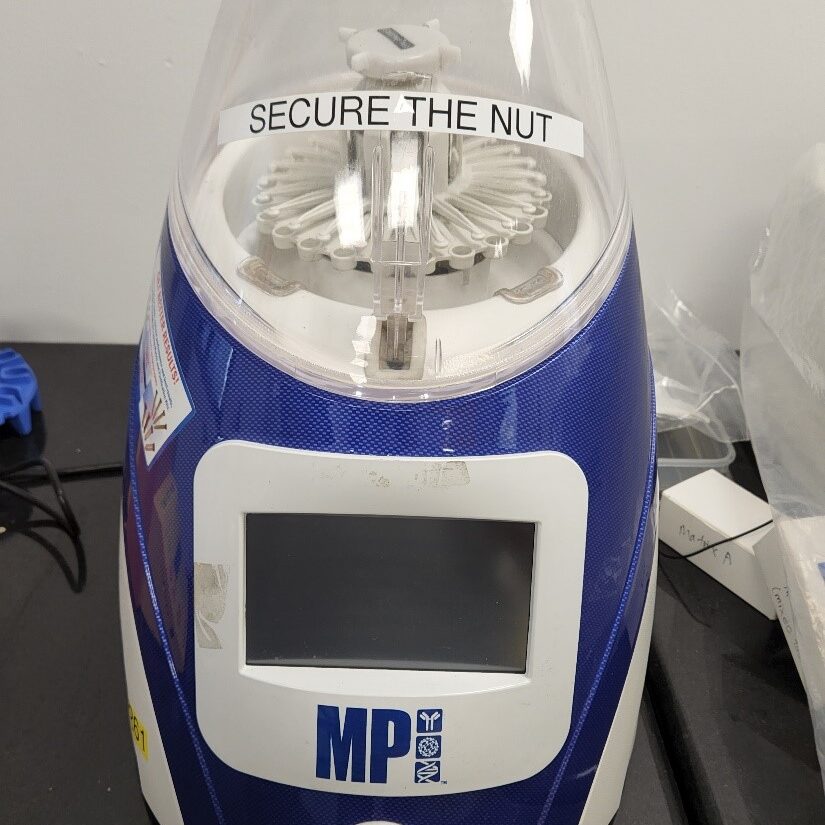
Bead Beater Homogenizer
The bead beater is a machine that uses mechanical disruption to lyse and homogenise biological samples. Samples are homogenised with a lysing matrix (beads-hence the name bead beater).
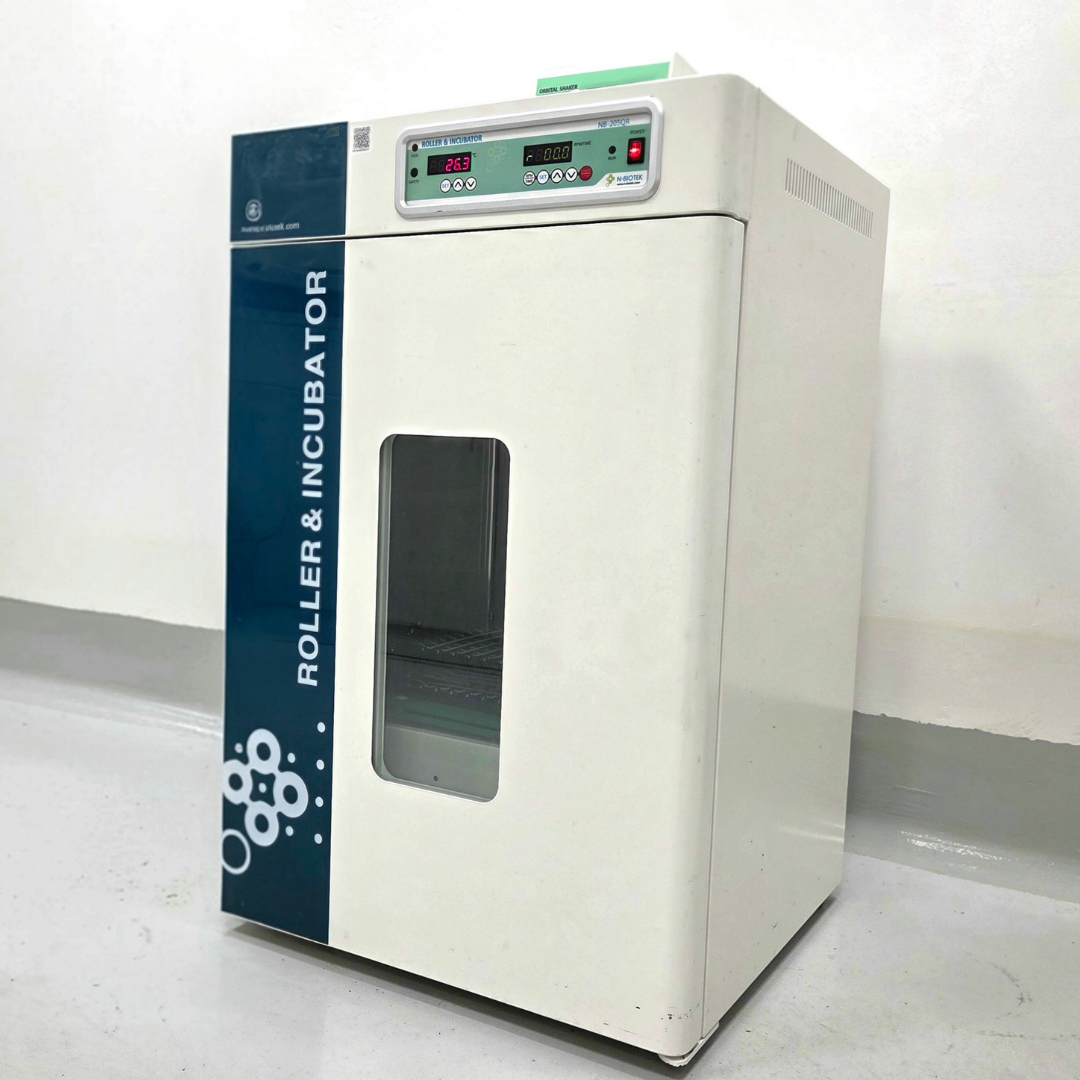
Incubator with built-in roller
The N-Biotek ambient temperature incubator with built-in roller provides a temperature controlled environment that can be used for bacterial culture. The roller can be used for more gradual mixing of culture media to suspend the cells.

Incubator with built-in Shaker
The N-Biotek refrigerated incubator with built-in shaker provides a temperature controlled environment that can be used for bacterial culture. The shaking platform helps to keep the cells suspended.
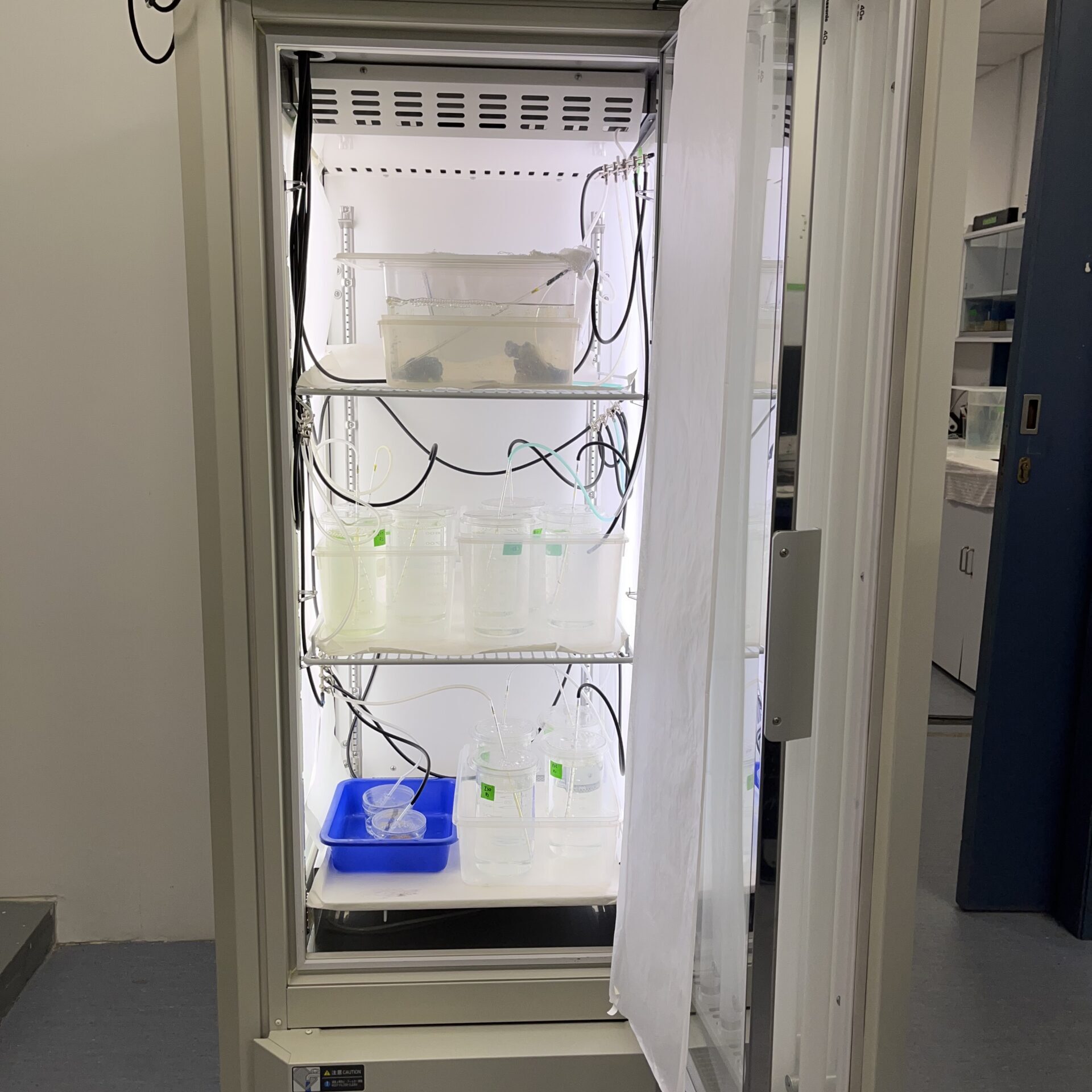
MLR-352 Climate Chamber
These programmable climate chambers allow temperature settings between 0°C to 50°C, and lighting control between 0 to 20,000 lux. Illumination is provided from three sides and racks are adjustable with maximum loading up to 20 kg per shelf. Aeration can also be supplied via airlines drawn from the top of the chamber.
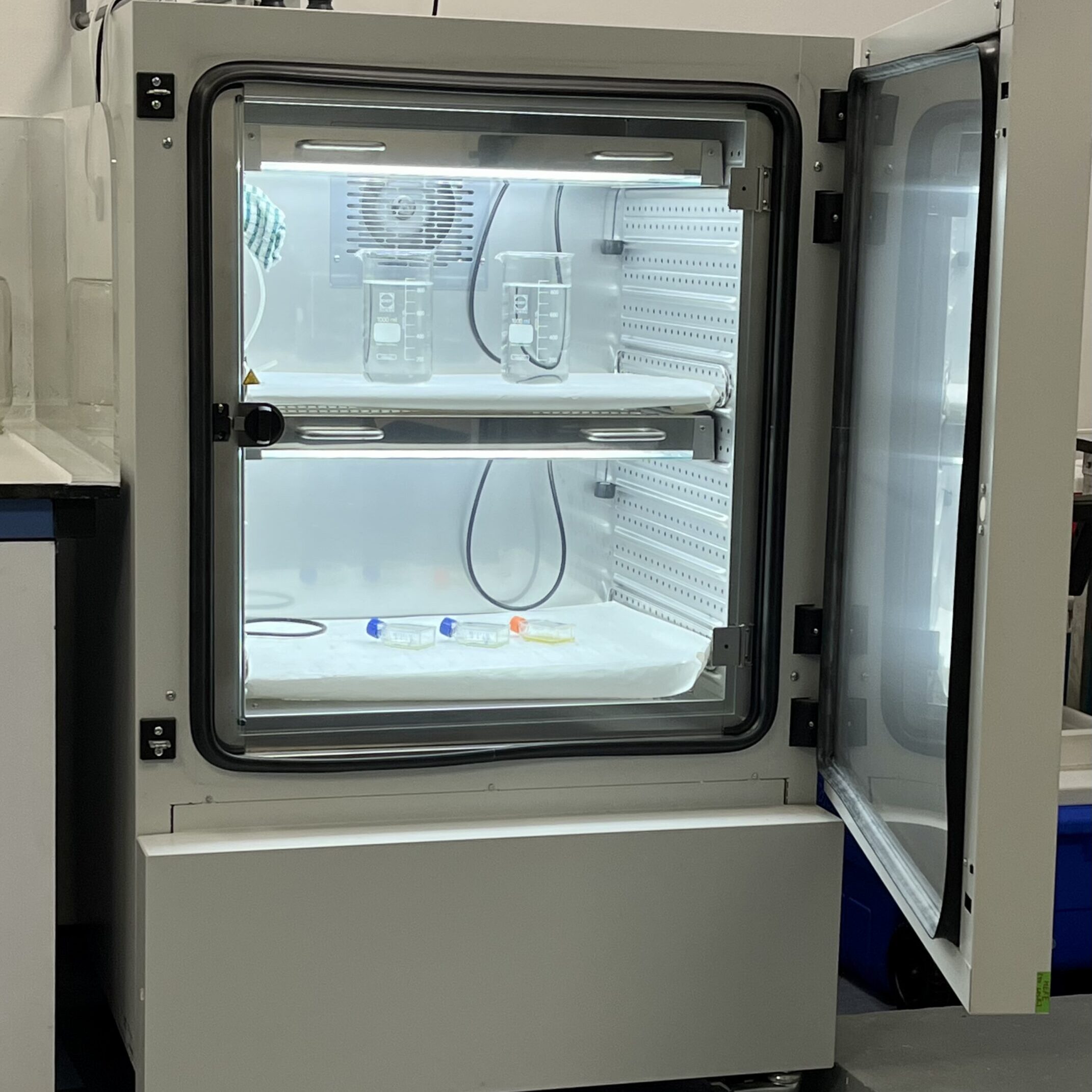
Binder KBW 240 Climate Chamber
Climatic chamber with temperature and three different levels (3000, 6000 & 9000 Lux) of illumination control. Lightning is provided from top-down configuration, achieving uniform illumination across the entire rack. This unit of chamber is equipped with two light cassettes and lighting intensity can be independently controlled for each rack. Aeration can also be supplied via airlines drawn from side port.
Miscellaneous Equipment
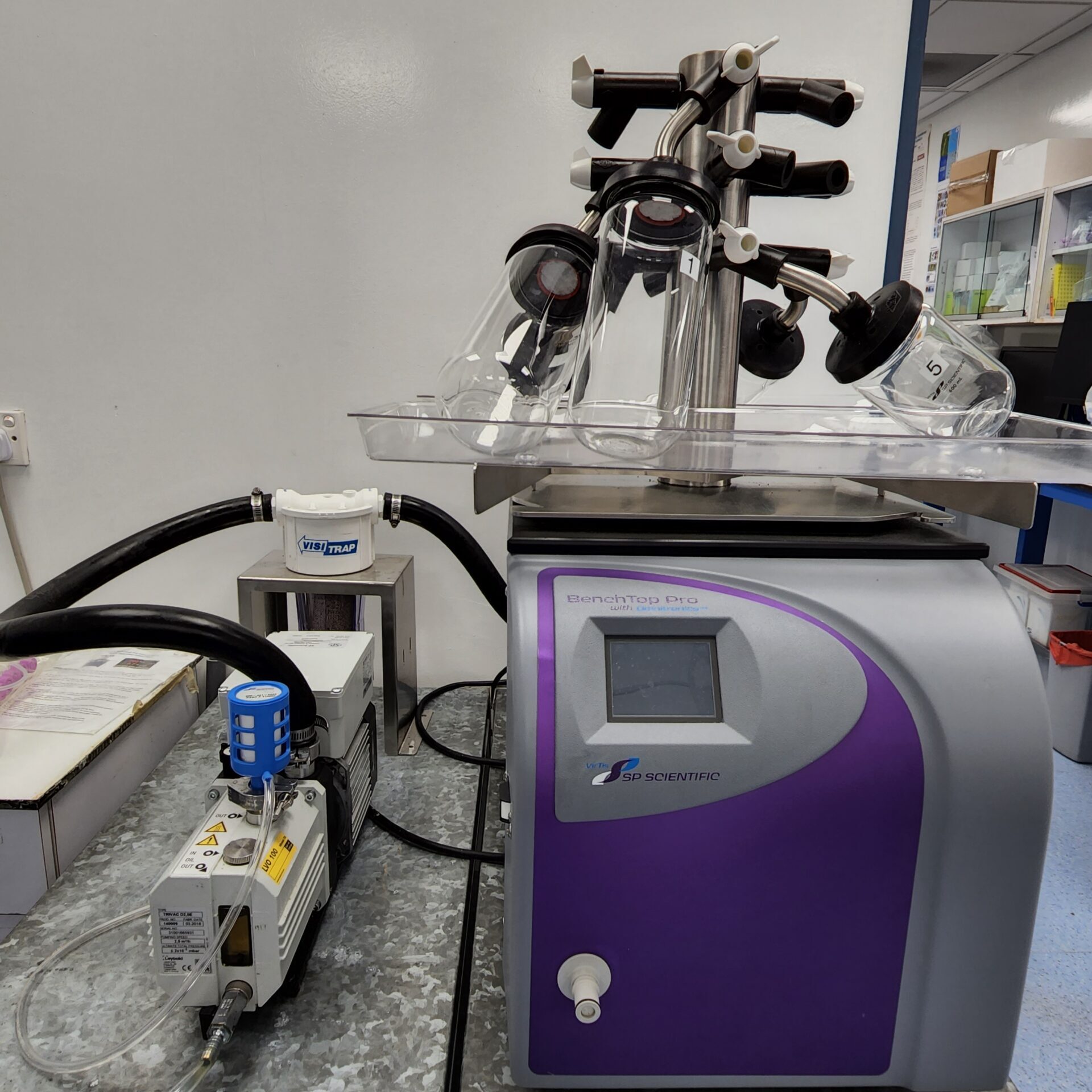
Freeze Dryer
Freeze drying or lyophilization is a process where moisture is removed from a frozen sample via vacuum and a negative temperature collector. Moisture goes from solid to gaseous state, skipping the liquid phase. This helps preserve the cellular and structural integrity of samples.
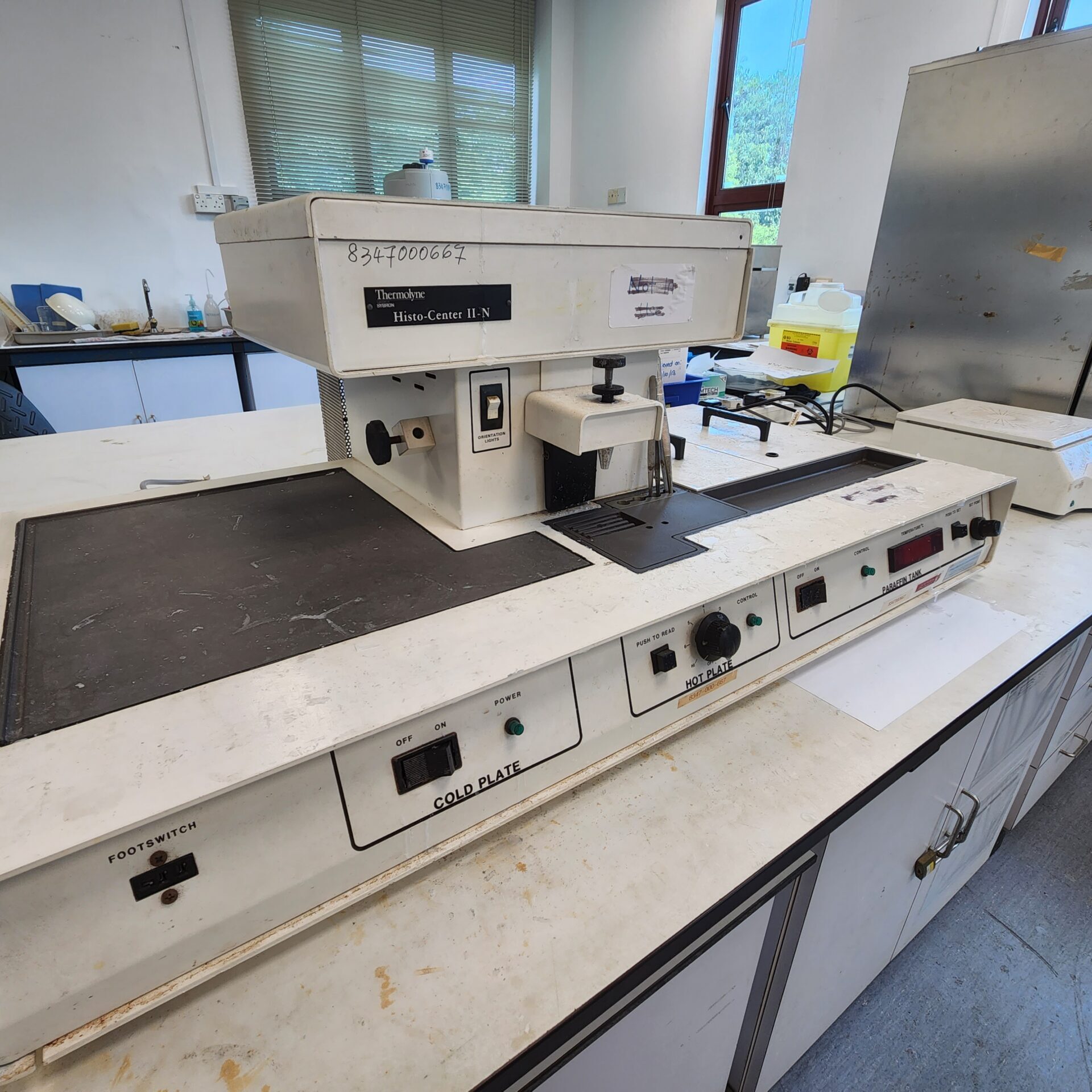
Histology Equipment
Histology is the study of biological tissues under a microscope. Producing the histological slides requires a series of processing through the use of three instruments – Thermo Scientific Shandon Citadel 2000 Tissue Processor, Leica RM2135 Rotary Microtome and the Shandon Histo-Center II.

Rotary Evaporator
The EYELA N-1210 Rotary Evaporator is an apparatus used to evaporate solvents from samples or solutions. The vacuum pump attached lowers the pressure within the flask, hence lowering the boiling points of the solvents inside. This quickens the evaporate-to-dryness process.
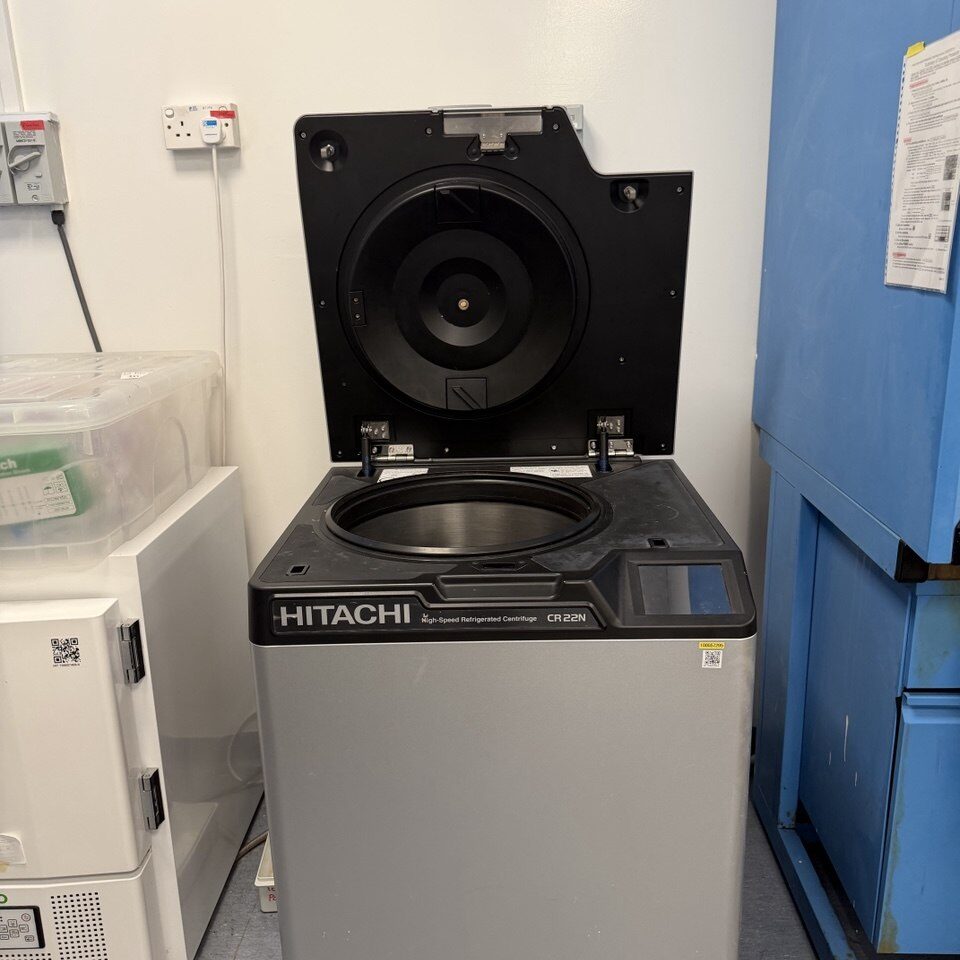
Standing Centrifuge
The standing centrifuge applies centrifugal forces to separate liquids of different densities, or solids from liquids. With efficient temperature control, the rotors and samples can be maintained at 4°C even at high speed.
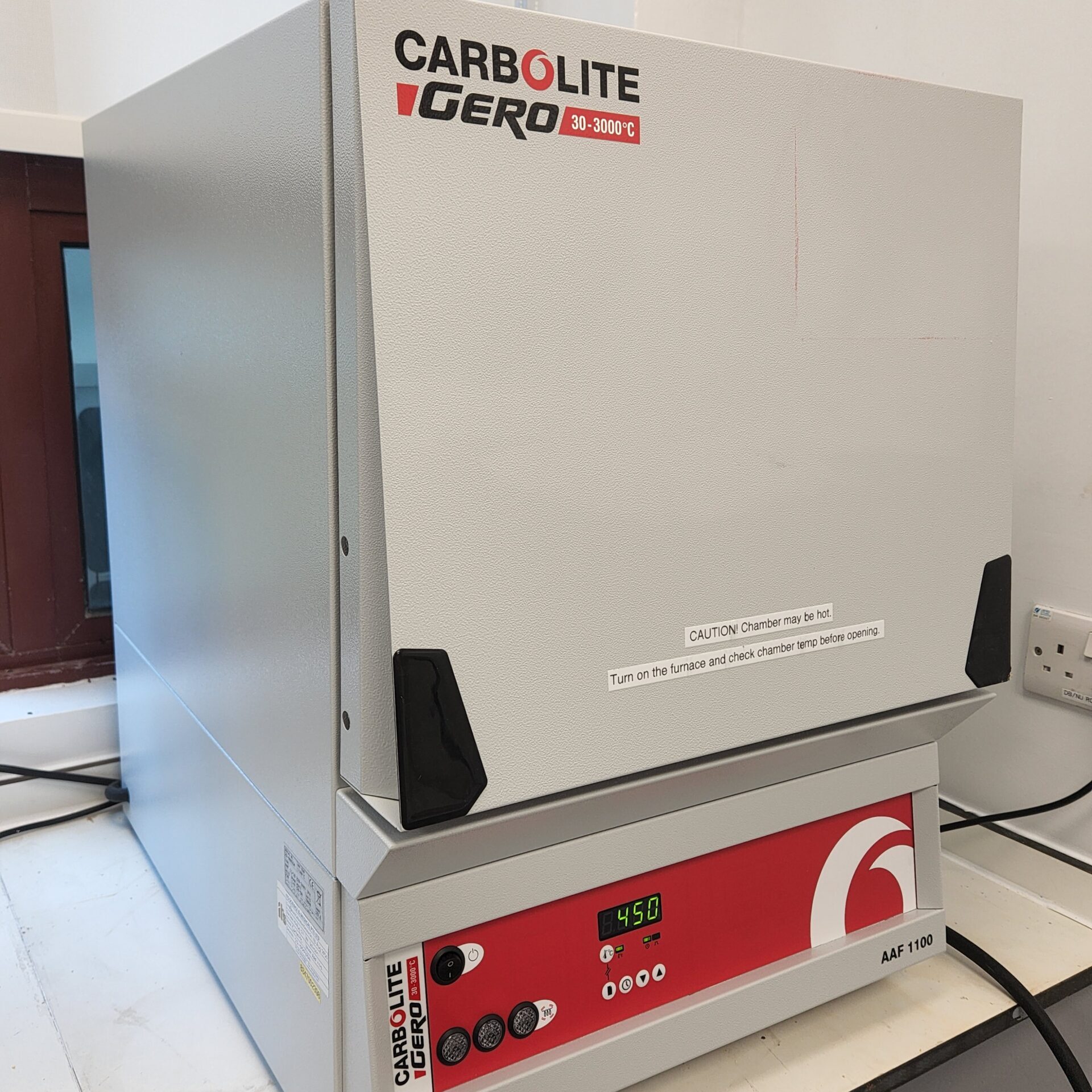
Furnace
The Carbolite AAF1100 can be operated from 30-3000 °C. The high operating temperature allows for researchers to combust and burn away the organic matter of samples, leaving behind the ash. Different timer programmes can be set allowing researchers to control temperature, temperature ramp rate, program shut off.
