

Publications and Research Feature
The purpose of the NMRS is to advance marine science that is locally important and globally impactful. Explore the various research that has taken place through the NMRS's facilities, initiatives, and expertise.
Research Feature
-
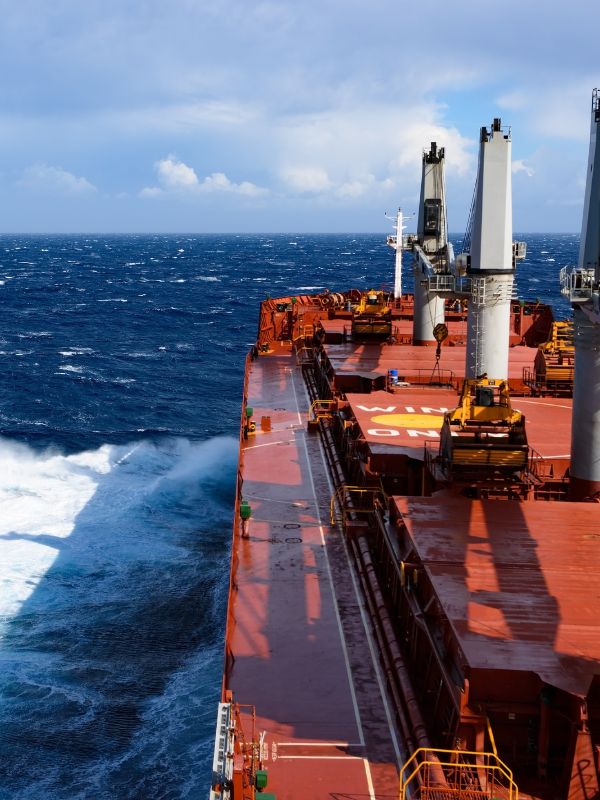
How Much Ammonia Can Southeast Asian Seas Tolerate in the Event of a Spill?
As the shipping industry transitions to low-carbon fuels, ammonia is emerging as a promising option due to its established supply chain and relatively high energy density. However, this promise comes with significant challenges. At high concentrations, ammonia is toxic to both humans and marine life; at lower concentrations, it can act as a nutrient, potentially altering species composition and reshaping ecosystems. With an industry moving toward ammonia on one hand, while millions in Southeast Asia depend on marine resources for daily subsistence on the other, a key question arises: How much ammonia can our local marine environment safely tolerate in the event of a spill?
Further reading: Chen, M., Low, B., Chee, K. J., Yang, M., Lee, B. Y., Zhao, H., Christy, E., Liu, M., & Wang, Z. (2025). Towards sustainable maritime management: A re-visit of ammonia criterion values in Southeast Asian tropical seas. Journal of Hazardous Materials, 490, 137783.
-
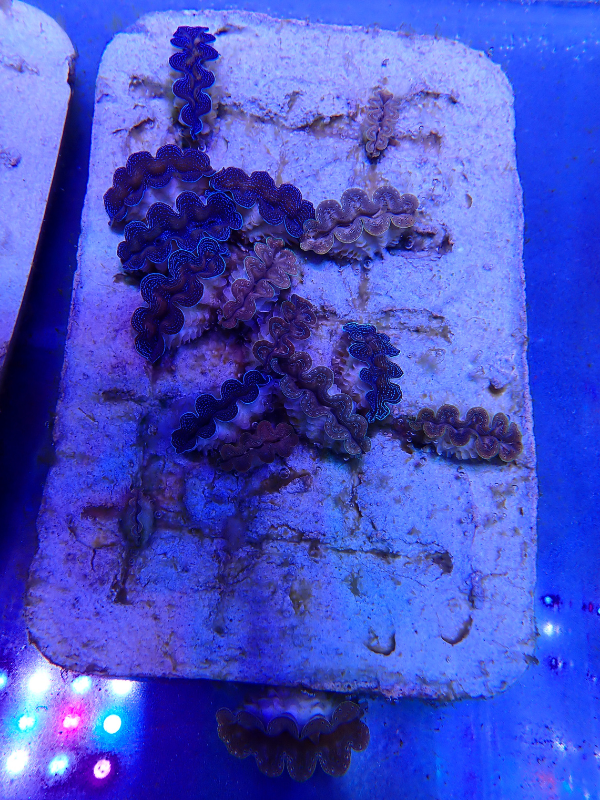
Lighting the Way to Speed Up Clam Growth
Giant clams, the colourful icons of coral reefs, are facing population declines worldwide. For decades, scientists and farmers have been growing giant clams in mariculture systems to relieve pressure on wild stocks and support reef restoration. But there’s a catch: young clams often grow too slowly and suffer high losses in the early months. This study conducted by Lee et al. revealed that 6-month-old Tridacna crocea (Boring Giant Clam) could grow more rapidly under higher light intensity with ammonium enrichment — without sacrificing their health or survival.
Further reading: Li Keat Lee, Teresa S. Tay, H.R. Samuel Lee, K.E. Kayden Tong, M.Y. Beryl Chean, Yuchen Sun, Mei Lin Neo. (2026). Optimising light intensity and ammonium enrichment enhances ex-situ growth and survival of the cultured boring Giant clam, Tridacna crocea. Aquaculture, 621, Part 1.
-
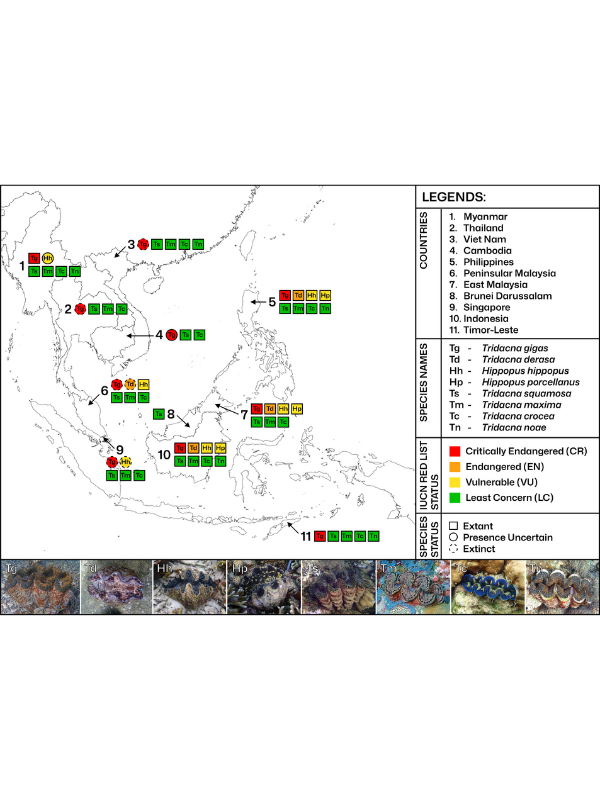
Safeguarding the Giant Clams in Southeast Asia
Giant clams (subfamily Tridacninae) are the world’s largest marine bivalves living among the coral reefs across the Indo-Pacific region. They play multiple ecological roles, such as providing shelters to fish and macro-invertebrates, filtering water, recycling nutrients and enhancing reef biodiversity. Giant clams also hold deep traditional, cultural and socio-economic importance within the coastal communities around the Indo-Pacific region, contributing to food security, livelihoods and customary practices. To identify the most promising conservation pathways, a multi-stakeholder roundtable used a SWOT analysis to assess three areas: protection measures, mariculture for conservation, and multi-stakeholder engagement. The analysis found that while strong international and national laws support protection efforts, weak enforcement, limited funding, and low public awareness remain major obstacles.
Further reading: Neo, M. L., C. Choy, C. C. C. Wabnitz, et al. 2026. “ Overcoming a ‘Clamity’: SWOT Analysis Uncovers Priorities to Improve Giant Clam Conservation in Southeast Asia.” Aquatic Conservation: Marine and Freshwater Ecosystems 36, no. 4: e70354. https://doi.org/10.1002/aqc.70354.
Publications for research supported by the NMRS
All research conducted using NMRS facilities and resources must acknowledge the NMRS.
Ng SZH, Lee TC, Mohamad NBMK, Rajkumar YM, Ow YX & Jaafar Z (Jun 2026) Feeding patterns of Dugong dugon along hyper-urbanised tropical seagrass meadows. Global Ecology and Conservation. 10.1016/j.gecco.2026.e04287
Ng CSL, Ow Yong WL, Khaw J, Tanzil JTI (Feb 2026) Farming corals vertically – a modularised approach to increase yield in space-constrained aquarium facilities. Aquaculture. https://www.sciencedirect.com/science/article/abs/pii/S0044848625012761
Leow YX, Dharan H, Tan KS (May 2026) Description of a new species of Apocyclops Lindberg, 1942 (Copepoda: Cyclopidae) from Singapore. Crustaceana. https://brill.com/view/journals/cr/99/5/article-p583_6.xml
Lukehurst SS, Tan SK, Tan KS, Dehm J, Hewavitharane C, Wells FE (Apr 2026)Clarifying the identity of the oysters Saccostrea scyphophilla (Péron & Lesueur, 1807) and S. mordax (Gould, 1850) (Bivalvia: Ostreidae), two common intertidal species distributed widely in the Indo-Pacific region. Zootaxa.
Deng Z, Yap NWL, Fujita T (Apr 2026) An annotated checklist of brittle stars (Echinodermata: Ophiuroidea) from artificially reclaimed beaches in Sentosa Island, Singapore, with description of a new species. Raffles Bulletin of Zoology. DOI: 10.26107/RBZ-2026-0016
Lim SC & Tan KS (Jul 2026) Two new species of Hamacanthidae from the abyssal nodule fields in the Clarion-Clipperton Zone (Pacific Ocean). Deep-Sea Research I.
Goh MC, Lee HRS, Liew PZ & Ow YX (Jul 2026) Observation of male flowers and induced fruit production of tropical seagrass Syringodium isoetifolium (Alismatales: Cymodoceaceae) in an ex-situ aquarium. Bulletin in Marine Science. https://doi.org/10.5343/bms.2025.0088
Ciara Keating, Laura Duran Suja, Stephen Summers, Ian M. Head, Tony Gutierrez, and Umer Ijaz (Jul 2026) Different synthetic chemical dispersants elicit distinct bacterial community responses to crude oil. Environmental Microbiome. https://doi.org/10.1186/s40793-026-00932-5
Angelina Angelova, Stephen Summers, Georgia Waldram, Umer Zeeshan Ijaz, Alejandro Gallego, and Tony Guttierez (Jan 2026) Sub-Arctic bacterioplankton in-situ response to crude oil and identification of the oil-degrading community by DNA-SIP and cultivation. Marine Pollution Bulletin. https://doi.org/10.1016/j.marpolbul.2026.119632
Iesa I, Ames CL, Yap NWL, Haung D (May 2026) Chironex box jellyfishes (Cnidaria: Cubozoa: Chirodropida) in Singapore: Chironex mati, new species, and range extension of C. indrasaksajiae. Raffles Bulletin of Zoology. DOI: 10.26107/RBZ-2026-0026
Mei Lin Neo, Christina Choy, Colette C. C. Wabnitz, Theresa Su, Alvin Chelliah, Roger G. Dolorosa, Li Keat Lee, H. R. Samuel Lee, Abigail M. Moore, Delianis Pringgenies, Salai Mon Nyi Nyi Lin, Jeremiah N C. Requilme, Hilly Ann Roa-Quiaoit, Andrianus Sembiring, Yuchen Sun, Teresa S. Tay, Syafyudin Yusuf (Apr 2026) Overcoming a ‘Clamity’: SWOT Analysis Uncovers Priorities to Improve Giant Clam Conservation in Southeast Asia. Aquatic Conservation: Marine and Freshwater Ecosystems. https://doi.org/10.1002/aqc.70354
Curren E, Leong SCY (Mar 2026) Plastic substrates shape prokaryotic community structure and resistance gene assemblages in tropical coastal waters. Environmental Science and Pollution Research. doi.org/10.1007/s11356-026-37611-4
Fong J, AS Kumar, CL Lim, MR Cordova, PT Hoa, DFL Onda, KJN Balboa, NCF Gomez, MR Iskandar, MT Kaisupy, SP Lestari, P Ngoc, TH Phuc, T Purbonegoro, R Subandi, PQ Tinh, YI Ulumuddin, SPA Wibowo, D Yogaswara, SM Cragg, L Michie, Y Liu, Y Lyons, ML Neo (Jul 2026) Not the same plastics: Comparing abundance and composition of marine macro-litter in mangroves and beaches in Southeast Asia. Journal of Environmental Management. https://doi.org/10.1016/j.jenvman.2026.130198
Toh V & ML Neo (July 2026) Biodiversity Record: Rediscovery of the seahorse, Hippocampus spinosissimus, in Singapore. Nature in Singapore. DOI: 10.26107/NIS-2026-0071
Neo ML (Jul 2026) The Biology, Threats, and Conservation of Giant Clams (Bivalvia: Cardiidae: Tridacninae). Encyclopedia of the World's Biomes, Second Edition. https://doi.org/10.1016/B978-0-12-409548-9.11780-4
Goh MC, Jaafar Z, & Ow YX (May 2026) Carbon, nitrogen and fibre content of tropical seagrass species vary across habitat types. Regional Studies in Marine Science. https://doi.org/10.1016/j.rsma.2026.105056
Christaline George, Hashani M. Dharan, Lynn Drescher, Jenelle Lee, Yan Qi, Yijin Wang, Ying Chang, Serena Lay Ming Teo, Benjamin J. Wainwright, Charmaine Yung, Federico M. Lauro, Terry C. Hazen, Stephen B. Pointing (Sep 2025) Tropical intertidal microbiome response to the 2024 Marine Honour oil spill. Environmental Science and Ecotechnology. https://doi.org/10.1016/j.ese.2025.100623
Ivison Cordeiro Brandão, João Miguel de Matos Nogueira, Zhao Lun Leong, Brian T Nedved, Nicholas Wei Liang Yap, Serena Lay Ming Teo, Genki Kobayashi, Eijiroh Nishi,
Ow Yong WL, Ow YX, Cazenave-Gassiot A, Gao L, Ng CSL, Tun KPP, Tanzil JTI (Dec 2025) Characterising photo-physiological responses of three coral species to low light for enhancing ex situ culture and the restoration of extreme reefs. Coral Reefs. https://doi.org/10.1007/s00338-025-02798-4
Fong J, AS Kumar, ZY Choy, YH Tan, JAP Gowidjaja & ML Neo (Jan 2025) Accumulation of microplastics in various organs of fiddler crabs and sea cucumbers across the coastal habitats in Singapore. Environmental Pollution. https://www.sciencedirect.com/science/article/pii/S0269749125001460?via%3Dihub
Chim CK, Tan KS (May 2025) Diversity and distribution of Tanaidacea (Crustacea: Peracarida) in the abyssal polymetallic nodule fields of the eastern Clarion-Clipperton Fracture Zone. Deep-Sea Research Part 1.
Serina Siew Chen Lee, Amit Unger, Serena Lay Ming Teo, Noa Shenkar (Jul 2025) Culturing the solitary ascidian Phallusia nigra in closed and open water-systems for tropical environmental research. Limnology & Oceannography: Methods. https://doi.org/10.1002/lom3.10713
Cabatbat JPDV, Fong RR, Yap KKS, Low LL, Su TL, Tang YJ, Yap NWL (Jan 2025) Biodiversity Record: The sea anemone Actinoporus elongatus at Lazarus Island. Nature in Singapore. DOI: 10.26107/NIS-2025-0001
Hester, EG, Zhang Z, Finlay JA, Clare AS, Allen P, Teow AYJ, Yap NWL, Teo SLM, Ober CK (Apr 2025) Heterocyclic Group Functionalized Siloxane-Based Polymers for Interruption of pH Dependent Marine Settlement. Langmuir. https://doi.org/10.1021/acs.langmuir.4c05179
Ow Yong WL, Ng CSL, b, Huang D (May 2025) Diversity and distribution of corals of opportunity in a marginal and extreme reef environment. Coral Reefs. https://link.springer.com/article/10.1007/s00338-025-02677-y
PYP Tang, AAR Loh, D Hu, LK Diegnan, Stephen Summers, JPA Pereyra, RJ Case (Jan 2025) Draft genomes of two Roseibium spp. isolated from the coral Pachyseris speciosa from a Singaporean reef. Microbiology Resource Announcments. https://journals.asm.org/doi/full/10.1128/mra.00765-24
ML Chen, B Low, KJ Chee, M Yang, BY Lee, H Zhao, E Christya, M Liu, Z Wang (Feb 2025) Toward sustainable maritime management: A re-visit of ammonia criterion values in Southeast Asian tropical seas. Journal of Hazardous Materials. https://doi.org/10.1016/j.jhazmat.2025.137783
JPA Pereyra, AAR Loh, D Hu, LK Diegnan, Stephen Summers, RJ Case (Apr 2025) Draft genomes of two Ruegeria spp. isolated from the coral species Pachyseris speciosa in Singapore. Microbiology Resource Announcments. https://journals.asm.org/doi/full/10.1128/mra.01303-24
Mei Lin Neo, Ruiqi Li, Julia Silva Beneti & Julia Sigwart (Mar 2025) Vanishing Giants: A long-overdue update of the giant clams' IUCN Red List Status. Tentacle Newsletter.
BY Lee & RJJ Chua (Apr 2025) Biodiversity Record: Tiger cowrie, Cypraea tigris, guarding eggs at Sentosa. Nature in Singapore.
BY Lee, YX Leow & H Dharan (May 2025) Biodiversity Record: The mangrove crab, Neosarmatium smithi, on Saint John's Island. Nature in Singapore.
Lee AE, Chua WW, Leong SCY (Jun 2025) Echoes from the Bloom. Harmful Algae News 79: 26-27. hab.ioc-unesco.org
Viventuan K, Tanzil JTI, Baula, I, Liew PY, Lee AC (Oct 2025) Coral recruitment potential on Singapore's urban reefs. Book. https://link.springer.com/book/10.1007/978-981-95-0903-4
Tanzil JTI, Ow Yong WL, Ow YX, Leong W, Ng CSL, Khaw JCH, Tun KPP (Oct 2025) Energetic needs of corals living in Singapore's extreme reef environment. Book. https://link.springer.com/book/10.1007/978-981-95-0903-4
Toniolo LM, Louis YD, Seveso D, Montalbetti E, Haw JKC, Ow Yong WL, Huang D & Tanzil JTI (Aug 2025) Effects of light limitation on the photophysiology of the coral Pachyseris speciosa from Singapore's turbid reefs. Coral Reefs. https://link.springer.com/article/10.1007/s00338-025-02726-6
Martin P, Wahyudi AJ, Chen Y, Zhang ML, Heng SP, Woo OY, Tanzil JTI (Nov 2025) Ocean Acidification in Southeast Asia: A Multiannual Time Series of Carbonate System Variability in the Central Sunda Shelf Sea. Biogeochemistry. https://link.springer.com/article/10.1007/s10533-025-01286-9
Ling MK, Yap NWL, Huang D (Nov 2025) Temperature does not seem to affect nematocyst size in the upside-down jellyfish Cassiopea. Journal of Experimental Marine Biology and Ecology. https://www.sciencedirect.com/science/article/pii/S0022098125000462?via%3Dihub
Tan SK, Wells F, Tan KS, Lukehurst S, Morgan M, Seema F (Aug 2025) Identity of the enigmatic oyster Saccostrea cuccullata (Bivalvia: Ostreidae). Journal of Molluscan Studies.
Lee LK, Tay TS, Lee HRS, Tong KEK, Chean MYB, Sun Y & Neo ML (Aug 2025) Optimising light intensity and ammonium enrichment enhances ex-situ growth and survival of the cultured boring giant clam, Tridacna crocea. Aquaculture. https://doi.org/10.1016/j.aquaculture.2025.743069
Lee HRS, Tay TS, Sun Y, Mowe MAD, Ong JH, Wainwright BJ, Lee LK & Neo ML (Oct 2025) Diversity and Assemblages of Symbiodiniaceae Dinoflagellates in Singapore’s Coral Reefs: A Case Study on Giant Clams (Tridacna squamosa and T. crocea). Coral Reefs of Singapore's Urbanised Sea, Singapore: Springer Nature Singapore. https://doi.org/10.1007/978-981-95-0903-4
Chang K-C, Neo ML, Tay TS & Hsu C-H (Nov 2025) Biodiversity Record: The heart urchin, Metalia spatagus, in Singapore, with notes on two previous heart urchin records. Nature in Singapore. https://lkcnhm.nus.edu.sg/wp-content/uploads/sites/11/2025/11/NIS-2025-0102.pdf
Neo ML & Loh KS (Nov 2025) Biodiversity Record: Rediscovery of the fluted giant clam, Tridacna squamosa, at Labrador Nature Reserve. Nature in Singapore. https://lkcnhm.nus.edu.sg/wp-content/uploads/sites/11/2025/11/NIS-2025-0115.pdf
Chuar CH, Tong SJW, Chim CK, Wong, HPS & Tan KS (Nov 2025) Abyssal macrofaunal community structure in the eastern Clarion-Clipperton Fracture Zone. Deep-Sea Research I.
Chim CK & Tan KS (Dec 2025) Diversity and distribution of Tanaidacea (Crustacea: Peracarida) in the abyssal polymetallic nodule fields of the eastern Clarion-Clipperton Fracture Zone. Deep-Sea Research I.
Curren E, Kok JWK, Loh JY, Leong SCY (Oct 2025) Natural products from phytoplankton in Singapore’s coastal waters. Marine Natural Products Research in South-East Asia: Current Status and Perspectives.https://doi.org/10.1007/978-3-032-01098-8_6
Jaeger J, Burke M, Wu D, Curren EE, Leong SCY, Symons R, Lim BXH, Su X, Mehta JS, Riau AK, Lim CHL (Sep 2025) Microplastics identified in commercial over-the-counter lubricant eyedrops. Eye. doi.org/10.1038/s41433-025-04031-6
Tan LT, Goh BPL, Yap NWL, Chou LM (Oct 2025) Marine Biodiversity and Marine Natural Products Research in Singapore. Marine Natural Products Research in South-East Asia: Current Status and Perspectives.https://link.springer.com/chapter/10.1007/978-3-032-01098-8_5
Amit Unger, Serina Siew Chen Lee, Serena Lay Ming Teo, Ofir Levy, Noa Shenkar (Dec 2025 )Climate change resilience in Phallusia nigra: a comparative study of native and introduced populations. Frontiers in Marine Science. https://doi.org/10.3389/fmars.2025.1666759
Lin MF, Yap NWL (Oct 2025) Anthopleura nigrescens (Verrill, 1928)(Cnidaria, Actiniaria) from Taiwanese hydrothermal vents and shallow rocky shores worldwide: an updated species redescritpion with insights from transcriptomic analyses. Zoological Studies. https://zoolstud.sinica.edu.tw/issue2.php?Vol=64&no=46
Tay TS, Tong KEK, Chean MYB, Sun Y & Neo ML (Sep 2025) Notes on the post-metamorphic development of two tropical cowries, Mauritia arabica and Cypraea tigris (Gastropoda: Cypraeidae), with comments on culture methods. Invertebrate Biology. https://doi.org/10.71161/ivb.144.3.2025.00014
Curren E, Leong SCY (Jan 2024) Plankton assemblages from microplastics of tropical coastal environments in Singapore reveal high diversity and evidence of toxic species. Marine Environmental Research. doi.org/10.1016/j.marenvres.2023.106251
Dong Zhang, Bruna Calmanovici, Hana Marican, Julia Reisser, Stephen Summers (Jan 2024) The assembly and ecological roles of biofilms attached to plastic debris of Ashmore reef. Marine Pollution Bulletin. https://doi.org/10.1016/j.marpolbul.2024.116651
Tan SHM, Ng CSL, Ow Yong WL, Tay TS, Tanzil JTI, Neo ML, Jaafar Z (Mar 2024) Retailer perspectives reveal knowledge gaps in the traceability of the scleractinian coral trade in Singapore. Bulletin of Marine Science. https://www.ingentaconnect.com/content/umrsmas/bullmar/pre-prints/content-bms_10017;jsessionid=e6glmtpl1u66.x-ic-live-02
Lee LK, Neo ML, Hii KS, Gu H, Chen CA, Lim PT, Leaw CP (Apr 2024) Vanishing Giants: An assessment on the population status of giant clams across Malaysia. Regional Studies in Marine Science.
ZBMM Muhammad, S Subramoni, Stephen Summers, S Kjelleberg, SA Rice (Sep 2024) Klebsiella pneumoniae AI-2 transporters mediate interspecies interactions and composition in a three-species biofilm community. Nature, Biofilms and Microbiomes. https://www.nature.com/articles/s41522-024-00546-0
Tan SHM, Wells FE, Lukehurst S, Strong E, Sanpanich K, Duangdee T, Ambarwati R, Tan KS (Nov 2024) Unravelling the Brachidontes variabilis species complex (Bivalvia: Mytilidae). Journal of Molluscan Studies.
Tan KS & Tan SHM (Oct 2024) Tussles with mussels: mytiloidean phylogeny revisited (Bivalvia: Pteriomorphia). Journal of Molluscan Studies.
Barbara E. Brown, Richard P. Dunne, Rohan Arthur, Andrew H. Baird, Elrika D’sousa, Somkiat Khokiattiwong, Zau Lunn, Naveen Namboothiri, Vardhan Patankar, Niphon Phongsuwan, Lalita Putchim, Jani T.I. Tanzil, Nalinee Thongtham, & Tanmay Wagh (Jul 2024) Revisiting the coral reefs of the andaman sea – factors affecting resilience, recovery and reef refugia. Oceanography and Marine Biology: An Annual Review.
Saewong C, Ow YX, Nualla-ong A, Buapet P (Jun 2024) Comparative effects of warming on photosynthesis and oxidative stress in Halophila ovalis and Thalassia hemprichii under different light conditions. Journal of Experimental Marine Biology and Ecology.
Tan HMS, CSL Ng, WL Ow Yong, TS Tay, JTI Tanzil, ML Neo & Z Jaafar (Jul 2024) Retailer perspectives reveal knowledge gaps in the traceability of the scleractinian coral trade in Singapore. Bulletin of Marine Science. https://doi.org/10.5343/bms.2023.0111
Lee LK, ML Neo, KS Hii, H Gu, CA Chen, PT Lim & CP Leaw (Apr 2024) Vanishing giants: An assessment on the population status of giant clams across Malaysia. Regional Studies in Marine Science.https://www.sciencedirect.com/science/article/pii/S2352485524001798
Barrenechea Angeles, I., Nguyen, N.L., Greco, M., Tan, K.S. & Pawlowski J. (Feb 2024) Assigning the unassigned: A signature-based classification of rDNA metabarcodes reveals new deep-sea diversity. PLoS ONE. https://doi.org/10.1371/journal.pone.0298440
Neo ML (Sep 2024) Guardians of the Clams: A Decadal Monitoring Effort of Endangered Giant Clams by Citizen Scientists. Molluscan Studies. https://doi.org/10.1093/mollus/eyae038
Ying, LSM, Tay TS, Teo SL-M, Neo ML (Jul 2024) Assessing the reproductive potential and development of the tropical short-spined white sea urchin, Salmacis sphaeroides (Linnaeus, 1758). Invertebrate Reproduction & Development. https://doi.org/10.1080/07924259.2024.2410019
Tay, TS, Tong, KEK, Sun YC, Neo ML (Jul 2024) First success in captive breeding of the Tiger Cowrie, Cypraea tigris (Gastropoda: Cypraeidae), with notes on the early life development. Molluscan Research.https://doi.org/10.1080/13235818.2024.2369352
Curren E, Kuwahara VS, Yoshida T, Leong SCY (Nov 2024) Sphaerothrix gracilis gen. et sp. nov. (Synechoccales, Cyanobacteria): a novel filamentous cyanobacterium isolated from tropical coastal microplastics. Phycological Research.
Stephen Summers & Staffan L. Kjelleberg (Dec 2024)Biofilm, biofouling and ultimately larval settlement. In “A child-centric microbiology eduction framework” ed Ken Timmis. https://hal.science/hal-04945423/document
San Diego-McGlone ML, Yñiguez, AT. Benico G, Lum WM, Hii KS, Leong SCY, Leaw CP, Iwataki M, Lim PT (Nov 2024) Fish Kills Related to Harmful Algal Bloom Events in Southeast Asia. Sustainability. doi.org/10.3390/su162310521
Curren E, Kuwahara VS, Yoshida T, Leong SCY (Mar 2024) Draft genome of novel cyanobacteria Sphaerothrix Gracilis isolated from coastal microplastics reveal insights to chemical ecology, bloom and plastic-utilization potential. Functional & Integrative Genomics. doi.org/10.1007/s10142-024-01328-9
Stephen Summers, SBH Mohammad. C Magil, T Henry, T Gutierrez (Apr 2024) Identification of the bacterial community that degrades phenanthrene sorbed to polystyrene nanoplastics using DNA-based stable isotope probing. Scientific Reports. https://www.nature.com/articles/s41598-024-55825-9
Chim CK (May 2024) A synopsis of the Tanaidacea (Crustacea: Peracarida) of Singapore, with a review of tanaidacean diversity in Southeast Asia and the South China Sea. Zootaxa. https://mapress.com/zt/article/view/zootaxa.5451.1.1
Yap NWL, Oh RM, Iesa I (May 2024) Cnidaria (non-scleractinia). The Singapore Red Data Book 3rd Edition.
Curren E, AE Lee, Yu DCY, Leong SCY (Jul 2024) Progress in research on microplastic prevalence in tropical coastal environments: a case study of the Johor and Singapore Straits. Microplastics.
Lim SC, Wiklund H, Bribiesca-Contreras G, Glover AG, Dahlgren TG & Tan KS (Dec 2024) Diversity and phylogeny of demosponge fauna in the abyssal nodule fields of the eastern Clarion-Clipperton Zone, Pacific Ocean. Zoologica Scripta. DOI: 10.1111/zsc.12683
Tan KS, Tan SK, Lukehurst SS & Wells FE (Jul 2024) Assessing the threat of the oyster genus Magallana (Bivalvia: Ostreidae) in Singapore to the Australian marine environment. Raffles Bulletin of Zoology.
Tan, K.S., Tan, S.H.M., Sanpanich, K., Duangdee, T. & Ambarwati R. (Aug 2024) Validation of Parabrachidontes, a new genus of fresh- and brackish-water mussels (Bivalvia: Mytilidae) from Southeast Asia with a redescription of the type species and P. amnicus Tan et al., 2023. Raffles Bulletin of Zoology.
Tay TS, KEK Tong, YC Sun & ML Neo (Jul 2024) First success in captive breeding of the Tiger Cowrie, Cypraea tigris (Gastropoda: Cypraeidae), with notes on its early life development. Molluscan Research. https://www.tandfonline.com/doi/full/10.1080/13235818.2024.2369352
Zhang Dong, B Calmanovici, H Marican, J Reisser, Stephen Summers (Aug 2024) The assembly and ecological roles of biofilms attached to plastic debris of Ashmore reef. Marine Pollution Bulletin. https://www.sciencedirect.com/science/article/pii/S0025326X24006283
Chen Y, Mayer B, Tanzil JTI, Wang Z, Leong W, Chen ML, Wee J, Koay TB, Martin P (Oct 2024) Climate-driven biogeochemical variability at an equatorial coastal observatory in Southeast Asia, the Singapore Strait. Limnology and Oceanography. https://doi.org/10.22541/au.172962247.79374333/v1
Lee LK, YY Huang, CA Chen, ML Neo, KS Hii, H Gu, PT Lim & CP Leaw (Nov 2024) Genetic patchiness of the endangered giant clam Tridacna maxima from Peninsular Malaysia. Coral Reefs. https://doi.org/10.1007/s00338-024-02600-x
Lim CL, Y Lyons, Y Liu, ML Neo, M Muller, C Wong, MR Cordova, S Sulistiowati, NAS Abreo, T Ko Gyi, DF Onda, R Baculi, C Charoenpong, J Lalung, HA Le Hoang, D Li & L Zhu (Sep 2024) Literature-based database to inform policy making on marine plastic pollution in ASEAN+3. Frontiers in Ocean Sustainability. https://www.frontiersin.org/journals/oceansustainability/articles/10.3389/focsu.2024.1356148/full
Report editor: Jake Rice, Pia Haecky. [S. L. M. Teo, Contributing author] (Oct 2024) Marine Biofouling: Non-Indigenous Species and Management Across Sectors. Book Report. GESAMP (IMO/FAO/UNESCOIOC/UNIDO/WMO/IAEA/UN/UNEP/ISA/UNDP Joint Group of Experts on the Scientific Aspects of Marine Environmental Protection), 2024. Rep. Stud. GESAMP No. 114, 147 p. ISSN 1020-4873. http://www.gesamp.org/publications/marine-biofouling-non-indigenous-species-and-management-across-sectors
Koh LP, Huang D, Tanzil JTI, Case RJ (Oct 2024) Foundational research capabilities small study report on marine science and oceanography. National Research Foundation. https://go.gov.sg/frc-report-marinescience
Lee BY (Nov 2024) Biodiversity Record: Spotted box crab, Calappa philargius, at Lazarus Island. Nature in Singapore. DOI: 10.26107/NIS-2024-0111
Tay TT, Yap NWL, Chan OYJ, Kwan S, Tan EA. (Nov 2024) Biodiversity Record: larvae of horseshoe crab, Trachypleus gigas, at Pulau Serigat. Nature in Singapore. DOI: 10.26107/NIS-2024-0117
AAR Loh, D Hu, JMYJ Law, ELW Xiong, LK Diegnan, Stephen Summers, JPA Pereyra, RJ Case (Nov 2024) Draft genome of a Pseudovibrio sp. isolated from the skeleton of Pachyseris speciosa from a Singaporean reef. Microbiology Resource Announcments. https://journals.asm.org/doi/full/10.1128/mra.00763-24
Jen Nie Lee, Yusri Yusuf, Md Repin Izarenah, Jani TI Tanzil (Dec 2024) Occurrence of coral polyp bail-out from massive Porites in Pulau Perhentian, Malaysia. Galaxea. https://www.jstage.jst.go.jp/article/galaxea/26/1/26_G26N-9/_pdf/-char/ja
Neo ML (Dec 2024) Dangerous or Endangered? Book. https://doi.org/10.1142/14081
Curren E, Leong SCY (Jan 2023) Spatiotemporal characterisation of microplastics in the coastal regions of Singapore. Heliyon. https://doi.org/10.1016/j.heliyon.2023.e12961
Chong BWK, Leong SCY, Kuwahara VS, Yoshida T (Jan 2023) Diversity of Phytoplankton in Kota Kinabalu Waters Observed by Light Microscopy and Next-Generation Sequencing. Acta Oceanologica Sinica. https://doi.org/10.1007/s13131-022-2036-y
Quek Z.B.R., Tanzil J.T.I., Jain S.S., Ow Yong W.L., Yu D.C.Y., Soh Z., Ow Y.X., Tun K., Huang D, Wainwright B.J. (Jan 2023) Limited influence of seasonality on coral microbiomes in an equatorial reef. Ecological Indicators. https://doi.org/10.1016/j.ecolind.2023.109878
Hamdi, Abderrahmane, Lim, Chin Sing; Ben Achour, Mohamed; Alshehri, Ali; Alamri, Mervat; Deresmes, Dominique; Teo, Serena; Remiens, D.; Dogheche, Elhadj. (Jan 2023) Effects of Reaction Parameters on the Geometry and Crystallinity of Hydrothermally Synthesized ZnO Nanorods for Bio-Fouling Applications. Coatings. https://doi.org/10.3390/coatings13010200
Qian Na, Boyle E, Zhou L, Tanzil JTI, Chen Q, Zhang S, Chen ML (Jan 2023) Spatial-temporal Variability and Sources of Lead (Pb) in the Indian Ocean and Asian Marginal Seas. JGR Oceans. https://doi.org/10.1029/2022JC019222
Chen ML, Carrasco G, Zhao N, Xianfeng W, Lee JN, Tanzil JTI, Annammala KV, Po SC, Lauro FM, Ziegler AD, Duangnamon D, Boyle EA (Jan 2023) Boundary exchange to complete marine lead cycle jigsaw. PNAS. https://doi.org/10.1073/pnas.2213163120
Wu D, Lim BXH, Seah I, Xie S, Jaeger JE, Symons RK, Heffernan AL, Curren E, Leong SCY, Riau AK, Lim DKA, Stapleton F, Ali MJ, Singh S, Tong L, Mehta JS, Su X, Lim CHL (Feb 2023) Impact of Microplastics on the Ocular Surface. International Journal of Molecular Sciences. https://doi.org/10.3390/ijms24043928
Andrés J, Czechowski P, Grey E, Saebi M, Andres K, Brown C, Chawla N, Corbett JJ, Brys R, Cassey P, Correa N, Deveney MR, Egan SP, Fisher JP, Hooff RV, Knapp CR, Leong SCY, Neilson BJ, Paolucci EM, Pfrender ME, Pochardt MR, Prowse TAA, Rumrill SS, Scianni C, Sylvester F, Tamburri MN, Therriault TW, Yeo DCJ, Lodge DM, (Feb 2023) Environment and shipping drive eDNA beta-diversity among commercial ports. Molecular Ecology. https://doi.org/10.1111/mec.16888
Tan, K.S., Tan, S.H.M., Sanpanich, K., Duangdee, T. & Ambarwati R. (Feb 2023) A new lineage of fresh- and brackish-water mussels (Bivalvia, Mytilidae) from Southeast Asia. Zoologica Scripta. https://doi.org/10.1111/zsc.12585
Omeyer LCM, EM Duncan, NAS Abreo, JMV Acebes, LA AngSinco-Jimenez, ST Anuar, LV Aragones, G Araujo, LR Carrasco, MAH Chua, MR Cordova, LP Dewanti, EQ Espiritu, JB Garay, ES Germanov, J Getliff, E Horcajo-Berna, YS Ibrahim, Z Jaafar, JIB Janairo, T Ko Gyi, D Kreb, CL Lim, Y Lyons, PLK Mustika, ML Neo, SZH Ng, B Pasaribu, A Pariatamby, C Peter, L Porter, NP Purba, ETS Cruz, S Shams, KF Thompson, DS Torres, R Westerlaken, T Wongtawan & BJ Godley (Mar 2023) Interactions between marine megafauna and plastic pollution in Southeast Asia. Science of the Total Environment. https://doi.org/10.1016/j.scitotenv.2023.162502
Davie PJF & Lee BY (Mar 2023) A new species and new record of Samadinia Ng & Richer de Forges, 2013 (Crustacea: Brachyura: Epialtidae) from deepwater off north-eastern Queensland, Australia. Zootaxa. https://doi.org/10.11646/zootaxa.5249.3.5
Fahmi Afiq, Stephen Summers, Martin Jones, Bernard Bowler, Sebastian Hennige, and Tony Gutierrez (Mar 2023) Effect of ocean accidification on the growth, response and hydrocarbon degradation of coccolithophore bacterial communities exposed to crude oil. Scientific Reports. https://www.nature.com/articles/s41598-023-31784-5
Lau WLS, Teng ST, Lim HC, Hii KS, Leong SCY, Leaw CP, Lim PT (Mar 2023) Molecular Detection of Harmful Raphidophyte Chattonella subsalsa Biecheler by Whole-Cell Fluorescence in situ Hybridization Assay. Tropical Life Sciences Research. https://doi.org/10.21315/tlsr2023.34.1.7
Marilena Di Natale, Ana Isabel Catarino, Stephen Summers, David Boyle, Marco Torri, Aldo Nicosia, Marianna Musco, Tiziana Masullo, Stefania Russo, Carmelo Daniele Bennici, Antonio Mazzola, Angela Cuttitta, and Theodore B. Henry (Apr 2023) Influence of microplastic-associated biofilms on the bioavailability of a mixture of cadmium and benzo[a]pyrene by the analysis of biomarker gene expression in larval zebrafish’. Ecological Indicators. https://doi.org/10.1016/j.ecolind.2023.110369
Tay, T.S., Lee, S.H.R. & Neo, M.L. (Apr 2023) Spawning and larval development of two tropical cowries (Gastropoda: Cypraeidae), Cypraea tigris and Mauritia arabica under laboratory conditions. Royal Society Open Science. https://doi.org/10.1098/rsos.221332
Tang CN, Kuwahara SV, Leong SCY, Yoshida T (May 2023) In situ microplastic ingestion by marine zooplankton: a review. Journal of Sustainable Science and Management. https://jssm.umt.edu.my/wp-content/uploads/sites/51/2023/08/JSSM-V18-N8-Article-6.pdf
Neo ML (Jun 2023) A Field Guide to Giant Clams of the Indo-Pacific. Book.
Ahyong ST, Lee BY & Ng PKL (Jun 2023)Spider crabs of the Samadinia pulchra complex (Crustacea: Decapoda: Epialtidae). Records of the Australian Museum. https://doi.org/10.3853/j.2201-4349.75.2023.1876
Tang CN, Kuwahara SV, Leong SCY, Moh PK, Yoshida T (Jun 2023) Effect of monsoon on microplastic bioavailability and ingestion by zooplankton in tropical coastal waters of Sabah. Marine Pollution Bulletin. https://doi.org/10.1016/j.marpolbul.2023.115182
Kwan V, Shantti P, Lam YYE, Ow YX, Huang D. (Jul 2023) Diversity and phylogeny of seagrasses in Singapore. Aquatic Botany. https://doi.org/10.1016/j.aquabot.2023.103648
Prabhakar, Arun Kumar, Mohan, Babu Cadiam, Tai, Ming Hang, Yao, Zhiyi, Su, Weiling, Lay-Ming Teo, Serena, Wang Chi-Hwa (Jul 2023) Green, non-toxic and efficient adsorbent from hazardous ash waste for the recovery of valuable metals and heavy metal removal from waste streams. Chemosphere. https://www.sciencedirect.com/science/article/abs/pii/S0045653523007919
NWL Yap, Mitchell ML, Quek ZBR, Tan R, Tan KS, Huang D (Jul 2023) Taxonomy and molecular phylogeny of the sea anemone Macrodactyla. Zoological Studies. doi:10.6620/ZS.2023.62-29. https://zoolstud.sinica.edu.tw/Journals/62/62-29.pdf
Ng PKL, Richer de Forges B & Lee BY (Jul 2023) New and rare deep-sea majoid crabs (Crustacea: Brachyura) from Papua New Guinea. Zootaxa. https://doi.org/10.11646/zootaxa.5318.1.1
Lee BY, Richer de Forges B & Ng PKL (Jul 2023) Epialtid crabs from the Southwestern Indian Ocean, with the descriptions of seven new species (Crustacea: Decapoda: Brachyura: Majoidea). In: Corbari L, Richer de Forges B & MacPherson E (eds.), Deep-Sea Crustaceans from South-West Indian Ocean. Zootaxa. http://dx.doi.org/10.11646/zootaxa.5318.1.1
Lee BY, Ng NK & NG PKL (Jul 2023) On the identities of the sesarmid crabs, Sesarma villosum A. Milne-Edwards, 1869, and Clistocoeloma suvaense Edmondson, 1951, with the description of a new species from the West Pacific. Zootaxa. https://doi.org/10.11646/zootaxa.5318.2.3
Ling MK, Iesa I, Huang D, Yap NWL (Aug 2023) Diversity of hydromedusae (Cnidaria: Medusozoa: Hydrozoa) at Sentosa, including three new records for Singapore waters. Nature in Singapore. DOI: 10.26107/NIS-2023-0076
Koh J, Bairoliya S, Salta M, Cho ZT, Fong J, Neo ML, Cragg S, Cao B (Aug 2023) Sediment-driven plastisphere community assembly on plastic debris in tropical coastal and marine environments. Environment International. https://www.sciencedirect.com/science/article/pii/S0160412023004269
AI Catarino*, D Patsiou*, S Summers*, G Everaert, TB Henry, T Gutierrez (Sep 2023) Challenges and recommendations in experimentation and risk assessment of nanoplastics in aquatic organisms. TrAC Trends in Analytical Chemistry. https://doi.org/10.1016/j.trac.2023.117262
Tan AL, Seow T, Su T, Tay WB., Yong A, Tan J. (Oct 2023) Developing nature-connectedness among students in Singapore. Science Curricula for The Anthropocene: Curriculum Models for our Collective Future – Volume II.
Fong J, Lee SHR, Sun Y, Lim CL, Tan YAJ, Tan YH, Neo ML (Oct 2023) Litter traps: A comparison of four marine habitats as sinks for anthropogenic marine macro-litter in Singapore. Marine Pollution Bulletin.https://www.sciencedirect.com/science/article/abs/pii/S0025326X23010809
Sudarsan Mugunthan, Lan Li Wong, Fernaldo Richtia Winnerdy, Stephen Summers, Muhammad Hafiz Bin Ismail, Yong Hwee Foo, Tavleen Kaur Jaggi, Oliver W Meldrum, Pei Yee Tiew, Sanjay H Chotirmall, Scott A Rice, Anh Tuân Phan, Staffan Kjelleberg, Thomas Seviour (Nov 2023) RNA is a key component of extracellular DNA networks in Pseudomonas aeruginosa biofilms. Nature Communications. https://doi.org/10.1038/s41467-023-43533-3
C Choy, Booth H, Verissimo D (Dec 2023) Understanding consumers to inform market interventions for Singapore’s shark fin trade. People and Nature. Preprint: https://www.biorxiv.org/content/10.1101/2023.06.27.545387v1
Ling MK, Yap NWL, Iesa I, Yip ZT, Huang D, Quek ZBR (Dec 2023) Revisiting mitogenome evolution in Medusozoa with eight new mitochondrial genomes. iScience. https://doi.org/10.1016/j.isci.2023.108252
Curren E, Yu DCY, Leong SCY (Dec 2023) From the seafloor to the surface: a global review of gastropods as bioindicators of marine microplastics. Water, Air, & Soil Pollution.
Chen M-H, Y-Y Huang, B-Y Huang, HJ Hsieh, JN Lee, ML Neo, H Fukami & CA Chen (Jan 2022) Historical connectivity and demography of the ferocious reef crab, Eriphia ferox (Crustacea; Eriphiidae), demonstrates that Taoyuan Algal Reef is an essential population source along the East Taiwan Strait. Frontiers in Marine Science. https://doi.org/10.3389/fmars.2021.799989
Hsieh Y-T, Pavera R, Tanzil JTI, Bridgestock L, Lee JN, Henderson GM (Jan 2022) Multi-colony calibration of barium isotopes between shallow-water coral skeletons and in-situ seawater: implications for paleo proxies. Earth and Planetary Sciences Letters. https://doi.org/10.1016/j.epsl.2022.117369
Yip YJ, SSC Lee, ML Neo, SL-M Teo & S Valiyaveettil (Feb 2022) A comparative investigation of toxicity of three polymer nanoparticles on acorn barnacle (Amphibalanus amphitrite). Science of the Total Environment. https://doi.org/10.1016/j.scitotenv.2021.150965
Wutiruk T., Buapet P., Nopparat J., Kong E., Yaakub S. M., Ow Y. X. (Feb 2022) Acclimation to low light modifies nitrogen uptake in Halophila ovalis (R.Brown) J.D. Hooker. Journal of Experimental Marine Biology and Ecology. https://doi.org/10.1016/j.jembe.2022.151705
Soonthornkalump S., Ow Y. X., Saewong C., Buapet P. (Feb 2022) Comparative study on anatomical traits and gas exchange responses under hypoxia and heat stress in three tropical seagrasses. PeerJ. https://doi.org/10.7717/peerj.12899
Prabhakar AK, Krishnan P, Lee SSC, Lim CS, Dixit A, Mohan BC, Teoh JH, Pang SD, Tsang DCW, Teo SLM & Wang CH (Feb 2022) Sewage sludge ash-based mortar as construction material: Mechanical studies, macrofouling, and marine toxicity. Science of the Total Environment. https://doi.org/10.1016/j.scitotenv.2022.153768
Ow Yong WL, PA Todd, ACF Ang, LSM Ying, A Teo, SHR Lee, J Low & ML Neo (Mar 2022) Fluted giant clam (Tridacna squamosa) restocking experiment in an urban turbid environment. Aquatic Conservation: Marine and Freshwater Ecosystems. https://doi.org/10.1002/aqc.3789
Lee LK, ML Neo, ZF Lim, KS Hii, HC Lim, AA Chan, H Gu, PT Lim & CP Leaw (Apr 2022) Population status and genetic diversity of two endangered giant clams (Tridacna squamosa and Tridacna maxima) on the fringing reefs of Perhentian Islands, Malaysia. Aquatic Conservation: Marine and Freshwater Ecosystems.https://doi.org/10.1002/aqc.3807
Chen ML, Carrasco G, Park E, Morgan M, Tay HX, Tanzil JTI, Ooi SK, Feng JW, Zhou K, Boyle EA (Apr 2022) Monsoonal variations of lead (Pb) in coastal waters around Singapore. Marine Pollution Bulletin.https://doi.org/10.1016/j.marpolbul.2022.113654
Tan, K.S., Tan, S.H.M., Sanpanich, K., Duangdee, T. & Ambarwati R. (May 2022) A taxonomic re-evaluation of small black mussels from the upper intertidal zone of the estuaries of Southeast Asia. Zoological Journal of the Linnean Society. https://doi.org/10.1093/zoolinnean/zlac031
Lee JN, Adzis KAA, Afiq-Rosli L, Tanzil JTI, Chan AA, Ismail MN, Akmal KF, Amri FA (May 2022) Scleractinian coral (Cnidaria, Hexacorallia, Scleractinia) diversity of the Mersing Islands, Peninsular Malaysia. ZooKeys. https://doi.org/10.3897%2Fzookeys.1102.82228
Iesa I* & NWL Yap - authored entries pertaining to the history of sting management in Singapore (Jun 2022) General Management Guide for Harmful Jellyfish Stings in the Western Pacific and Adjacent Waters field Guide to the Jellyfish of the Western Pacific. https://ioc-westpac.org/wp-content/uploads/2022/12/General-Management-Guide-for-Harmful-Jellyfish-Stings.pdf
Curren E, Leong SCY (Jun 2023) Plankton assemblages from microplastics of tropical coastal environments in Singapore reveal high diversity and evidence of toxic species. Marine Environmental Research. doi.org/10.1016/j.marenvres.2023.106251
Chen ML, Chia HK, Martin P, Lee JN, Bettens RPA, Tanzil JTI (Jun 2022) A half-century record of coral skeletal P/Ca reveals late 20th century nutrient pollution in Port Dickson, Malaysia. Marine Pollution Bulletin. https://doi.org/10.1016/j.marpolbul.2022.113875
Kolle S, Ahanotu O, Meeks A, Stafslien S, Kreder M, Vanderwal L, Cohen L, Waltz G, Lim CS, Slocum D, Greene EM, Hunsucker K, Swain G, Wendt, D, Teo SLM & Aizenberg J (Jul 2022) On the mechanism of marine fouling-prevention performance of oil-containing silicone elastomers. Scientific Reports. http://dx.doi.org/10.1038/s41598-022-15553-4
Vad, J., Suja, L. D., Summers, S., Henry, T. B. & Roberts, J. M. (Jul 2022) Marine sponges in a snowstorm-extreme sensitivity of a sponge holobiont to marine oil snow and chemically dispersed oil pollution. Frontiers in Microbiology. https://doi.org/10.3389/fmicb.2022.909853
Summers Stephen, Y Shona Pek, Deepthi P Vinod, Diane McDougald, Peter Alan Todd, William R. Birch, and Scott Rice (Jul 2022) Bacterial biofilm colonisation and succession in tropical marine waters are similar across different types of stone materials used in seawall construction. Frontiers in Microbiology. https://doi.org/10.3389/fmicb.2022.928877
Tan ZY, TS Tay, WL Ow Yong, JTI Tanzil, ML Neo & CSL Ng (Jul 2022) An ex-situ spawning of the top shell, Trochus maculatus. Nature in Singapore. 10.26107/NIS-. 2022-0084
Tan EYW, ML Neo & D Huang (Jul 2022) Assessing taxonomic, functional and phylogenetic diversity of giant clams across the Indo-Pacific for conservation prioritization. Diversity and Distributions. https://doi.org/10.1111/ddi.13609
Tong, S.J.W., Gan, B.Q. & Tan, K.S. (Aug 2022) Community structure of deep-sea benthic metazoan meiofauna in the polymetallic nodule fields in the eastern Clarion-Clipperton Fracture Zone, Pacific Ocean. Deep-Sea Research. Deep Sea Research Part 1. https://doi.org/10.1016/j.dsr.2022.103847
Moynihan MA, Amani S, Oalmann J, Chu JQI, Tanzil JTI, Fan TY, Miserez A, Goodkin NF (Aug 2022) Crystal orientation mapping and microindentation reveal anisotropy in Porites skeletons. Acta Biomaterialia. https://doi.org/10.1016/j.actbio.2022.08.012
Kashaul N, Tanzil JTI, Zhou Y, Ong MR, Goodkin NF, Martin P (Aug 2022) Environmental calibration of coral luminescence as a proxy for terrigenous dissolved organic carbon concentration in tropical coastal oceans. Geochemistry, Geophysics, Geosystems. https://doi.org/10.1029/2022GC010529
Hamilton N, LC Gusmão, T Izumi, E Rodríguez, NWL Yap & M Daly (Sep 2022) Phylogeny and taxonomy of Haloclavidae (Verrill, 1899) with a redescription of the parasitic burrowing sea anemone. PLoS One. https://doi.org/10.1371%2Fjournal.pone.0266283
Ng S.Z.H., Ow Y.X., Jaafar Z. (Sep 2022) Dugongs (Dugong dugon) along hyper-urbanized coastlines. Frontiers in Marine Science. https://doi.org/10.3389/fmars.2022.947700
Lum WM, Lim HC, Lau WLS, Law IK, Teng ST, Leong SCY, Takahashi K, Gu H, Lirdwitayaprasit T, Leaw CP, Lim PT, Iwataki M, (Sep 2022) Description of two new species Chattonella tenuiplastida sp. nov. and Chattonella malayana sp. nov. (Raphidophyceae) from South China Sea, with a report of wild fish mortality. Harmful Algae. https://doi.org/10.1016/j.hal.2022.102322
Curren E, Leaw CP, Lim PT, Leong SCY (Oct 2022) The toxic cosmopolitan cyanobacteria Moorea producens: insights into distribution, ecophysiology and toxicity. Environmental Science and Pollution Research. https://doi.org/10.1007/s11356-022-23096-4
Yip YJ, G Mahadevan, TS Tay, ML Neo, SL-M Teo & S Valiyaveettil (Oct 2022) Understanding the biological impact of organic pollutants absorbed by nanoplastics. Environmental Pollution. https://doi.org/10.1016/j.envpol.2022.120407
Friess D. A., Gatt Y., Fung T. K., Alemu J., Bhatia N., Case R., Chua S. C., Huang D., Kwan V., Lim K.E., Nathan Y., Ow Y. X., Saavedra-Hortua D., Sloey T.M., Yando E.S., Ibrahim H., Koh L. P., Puah J. Y., Teo S. L. M., Tun K., Wong L. W., Yaakub S. M. (Oct 2022) Blue carbon science, management and policy across a tropical urban landscape. Landscape and Urban Planning. https://doi.org/10.1016/j.landurbplan.2022.104610
Sivanathan GD, Sivalingam PSV, Kupriyanova EK, Quek ZBR, Yap NWL & Teo SLM (Oct 2022) The nomenclatural and taxonomic status of Pomatoleios kraussii var. manilensis Pillai. Zootaxa. https://doi.org/10.11646/zootaxa.5200.4.8
Bruce NL, Wong HPS and Merrin KL (Nov 2022) The genus Argathona Stebbing, 1905 (Crustacea: Isopoda: Corallanidae) in Singapore marine waters, with description of two new species. Raffles Bulletin of Zoology.
Lee, Y.-L., Hui, D.S.-E., Loo, P.L., Toh, T.C., Kikuzawa, Y.P. & Tan, K.S. (Dec 2022) Intertidal seawall communities in Singapore: Are they all one and the same? Ecological Engineering. https://doi.org/10.1016/j.ecoleng.2022.106860
Lee BY & Jaafar Z (Dec 2022) In memoriam Ng Ngan Kee (1966–2022). Crustaceana. http://dx.doi.org/10.1163/15685403-bja10229
Tan EYW, ZBR Quek, ML Neo, C Fauvelot & D Huang (Jan 2021) Genome skimming resolves the giant clam (Bivalvia: Cardiidae: Tridacninae) tree of life. Coral Reefs. https://link.springer.com/article/10.1007/s00338-020-02039-w
Bridgestock L, Nathan J, Paver R, Hsieh Y-T, Porcelli D, Tanzil JTI, Holdship P, Carrasco G, Annamala KV, Swarzenski PW, Henderson GM (May 2021) Estuarine processes modify the isotope composition of dissolved riverine barium fluxes to the ocean. Chemical Geology. https://doi.org/10.1016/j.chemgeo.2021.120340
Lum WM, Benico G, Leaw CP, Leong SCY, PT Lim, Muawanah, Rachman A, Takahashi K, Teng ST, Thoha H, Yñiguez AT, Iwataki M, (Jun 2021) Phylogeny and distribution of Chattonella marina complex and C. subsalsain Southeast Asia. 45th Japan Society of Phycology Annual Meeting 2021.
Deignan Lindsey, Diane McDougald (Jun 2021) Differential Response of the Microbiome of Pocillopora acuta to Reciprocal Transplantation Within Singapore’. Microbial Ecology. https://doi.org/10.1007/s00248-021-01793-w
Choo MS, LSM Ying, SHR Lee, PA Todd, SL-M Teo & ML Neo (Jun 2021) A rapid assessment of the population structure of the short-spined white sea urchin, Salmacis sphaeroides (Linnaeus, 1758), on Singapore’s shores. Nature in Singapore. DOI: 10.26107/NIS-2021-0050
Lum WM, Benico G, Doan-Nhu H, Furio E, Leaw CP, Leong SCY, Lim PT, Lim WA, Lirdwitayaprasit T, Lu S, Muawanah, Nguyen NV, Orlova T, Rachman A, Sakamoto S, Takahashi K, Teng ST, Thoha H, Wang P, Yñiguez AT, Wakita K, Iwataki M (Jul 2021) The Harmful Raphidophyte Chattonella (Raphidophyceae) in Western Pacific: Its Red Tides and Associated Fisheries Damage over the Past 50 years. Harmful Algae. https://doi.org/10.1016/j.hal.2021.102070
Kok JWK, Leong SCY, (Jul 2021) Decline and Recovery in Cell Population Densities of Heterosigma akashiwo (Raphidophyceae) as a Novel Bloom Driver for the Species. Journal of Tropical Ecology. doi.org/10.1017/S0266467421000171.
Curren E, Kuwahara VS, Yoshida T, Leong SCY, (Jul 2021) Marine Microplastics in the ASEAN Region: A Review of the Current State of Knowledge. Environmental Pollution. https://doi.org/10.1016/j.envpol.2021.117776
Hii KS, Mohd-Din M, Luo Z, Tan SN, Lim ZF, Lee LK, Leong SCY, Teng ST, Gu H, Cao X, Lim PT, Leaw CP, (Jul 2021) Diverse Harmful Microalgal Community Assemblages in the Johor Strait and the Environmental Effects on its Community Dynamics. Harmful Algae. https://doi.org/10.1016/j.hal.2021.102077
Harris PT, J Tamelander, Y Lyons, ML Neo & T Maes (Jul 2021) Taking a mass-balance approach to assess marine plastics in the South China Sea. Marine Pollution Bulletin. https://doi.org/10.1016/j.marpolbul.2021.112708
Muthurajah SD, Leong SCY, Kuwahara VS, Moh PY, Othman HR, Yoshida T, (Aug 2021)Monsoonal and spatial influence on zooplankton variation in a tropical bay, North Borneo, Malaysia. Regional Studies in Marine Science. https://doi.org/10.1016/j.rsma.2021.101952
Chim, C.K., Wirawati, I., Avianto, P., Richer de Forges, B., Chan T.Y., Tan, K.S. (Aug 2021) SJADES 2018 biodiversity research cruise: Methodology and station data. Raffles Bulletin of Biology Supplement.https://doi.org/10.1016/j.envpol.2021.117776
Tan, K.S. (Aug 2021) Deep-sea Protobranchia (Bivalvia) collected in the Sunda Strait and Indian Ocean off the southwest coast of Java, Indonesia with a description of a new species of Propeleda (Nuculanidae). Raffles Bulletin of Biology Supplement. DOI: 10.26107/RBZ-2021-0043
Chuar CH, SI Salazar-Vallejo (Aug 2021) A new species of Caulleryaspis (Annelida: Sternaspidae) from the Sunda Strait, Indonesia, with a key to all known species in the genus. Raffles Bulletin of Biology Supplement. DOI: 10.26107/RBZ-2021-0029
Chuar CH, H Hadiyanto, Lee YL (Aug 2021) Annotated checklist of polychaetes from deeper waters of the Sunda Strait and eastern Indian Ocean off southwest Java, Indonesia. Raffles Bulletin of Biology Supplement. 10.26107/RBZ-2021-0030
Chim C. K., G. J. Bird (Aug 2021) Tanaidacean (Crustacea: Peracarida) assemblage collected during the South Java Deep-Sea (SJADES) Biodiversity Expedition with an overview of tanaid diversity in Indonesia. Raffles Bulletin of Biology Supplement. https://doi.org/10.1016/j.envpol.2021.117776
Wong H. P. S., C. M. Sidabalok (Aug 2021) A new species of deep-sea isopod in the genus Dolichiscus Richardson, 1913 (Crustacea: Isopoda: Austrarcturellidae) from Indonesia. Raffles Bulletin of Biology Supplement. DOI: 10.26107/RBZ-2021-0032
Richer de Forges B, Lee BY & Ng PKL (Aug 2021) Spider crabs from the SJADES 2018 cruise in Indonesia, with description of one new genus and five new species, including one from Western Australia (Crustacea: Brachyura: Majoidea). Raffles Bulletin of Zoology. DOI: 10.26107/RBZ-2021-0038
Todd PA, Tanzil JTI, Yap NWL, Martin P (Eds.) (Sep 2021) Advancing Marine Science in Singapore: The Marine Science Research & Development Programme (2015-21). Marine Science & Development Programme.
Sivanathan G., Shantii P, Kupriyanova EK, Quek ZBR, Yap NWL, Teo SLM ( (Sep 2021) Spirobranchus bakau sp. nov. from Singapore: yet another species of S. kraussii complex (Polychaeta: Serpulidae). Zootaxa. https://doi.org/10.11646/zootaxa.5040.1.2
Lim SC, Edwin Setiawan (Oct 2021) New Semperella (Hexactinellida: Amphidiscosida: Pheronematidae) from Indonesia, Indian Ocean. Raffles Bulletin of Biology Supplement. 10.26107/rbz-2021-0027
Richer de Forges B, Lee BY & Ng PKL (Oct 2021) The taxonomy of spider crabs of the genera Eurynome, Choniognathus, Seiitaiodes, and Kasagia (Crustacea: Brachyura: Majidae) from southwest Indian Ocean. Zootaxa. https://doi.org/10.11646/zootaxa.5048.3.1
Lim CS, LJX Tan, ML Neo, SL-M Teo, SSL Beng, S Nadarajan & K Tun (Oct 2021) A preliminary investigation of epibiotic macrofauna on the mangrove horseshoe crab Carcinoscorpius rotundicauda (Latreille, 1802) in Singapore. Marine Biology Research. https://doi.org/10.1080/17451000.2021.1986723
Iesa I, Yap NWL, Ng L, Tun K, Chou LM (Nov 2021) Biodiversity Record: Upside-down medusa of the genus Cassiopea in Singapore. Nature in Singapore. doi: 10.26107/NIS-2021-0117
Kikuzawa, Y.P., Ng, C.S.L., Sam, S.Q., Toh, T.C., Tan, K.S., Loo, P.L. & Chou, L.M. (Dec 2021) Transplanting coral fragments in close contact enhances their survival and growth on seawalls. Journal of Marine Science and Engineering. http://dx.doi.org/10.3390/jmse9121377
Chan TJR, Teo AYZ, Chu EQS, Gan AJH, Leong SCY (Dec 2021) Variability of Phytoplankton Communities along the East Johor Strait, Singapore . IPCB 2021.
Chu EQS, Gan AJH, Chan TJR, Teo AYZ, Leong SCY, (Dec 2021) Food Security and Aquaculture in Singapore: A Review. IPCB 2021.
Curren E, Leong SCY (Dec 2021) Sea of Plastics: Sources, Fates and Implications in the 21st Century. IPCB 2021.
Liventals S, Curren E, Leong SCY (Dec 2021) Adventuring Algae: Detecting Marine Organisms using the Next-Generation Sequencing Technology. IPCB 2021.
Watson S-A & ML Neo (Dec 2021) Conserving threatened species during rapid environmental change: using biological responses to inform management strategies of giant clams. Conservation Physiology. https://doi.org/10.1093/conphys/coab082
Ong CK, Lee JN, Tanzil JTI (Dec 2021) Skeletal Growth Rates in Porites lutea Corals from Pulau Tinggi, Malaysia. Water. https://doi.org/10.3390/w14010038
Yip YJ, GD Sivananthan, SSC Lee, ML Neo, SL-M Teo & S Valiyaveettil (Dec 2021) Transfer of poly(methyl methacrylate) nanoparticles from parents to offspring and the protection mechanism in two marine invertebrates. ACS Sustainable Chemistry & Engineering. https://doi.org/10.1021/acssuschemeng.1c01818
